Should You Choose Urban or Suburban Living in OKC?
June 4, 2026
June 4, 2026
If you are trying to choose between urban and suburban living in Oklahoma City, the answer is not as simple as "city or suburbs." In this market, the differences often come down to how you want to live each day, not just how far you drive. When you understand how housing types, lot sizes, mobility, and home values vary across Greater OKC, you can make a choice that fits your routine and your budget. Let’s dive in.
Oklahoma City is better viewed as a spectrum than a strict split. The urban core offers a more compact, district-based experience, while nearby suburbs often lean toward detached homes, larger lots, and neighborhood-scale development.
That matters because commute times are fairly close across the area. Mean commute times are 22.2 minutes in Oklahoma City, 23.3 in Edmond, 22.9 in Moore, 22.8 in Yukon, and 22.6 in Norman. In other words, your decision may have more to do with lifestyle and housing style than with saving a dramatic amount of time on the road.
Urban living in Oklahoma City centers on compact development, mixed uses, and easier access to dining, entertainment, parks, and cultural destinations. Downtown is the city’s most intense development area and allows a mix of commercial, industrial, and residential uses with no minimum lot size or lot width.
You also have more housing variety in the core than many buyers expect. Downtown living can include modern apartments, micro-units, historic redevelopments, and townhomes, not just traditional apartment buildings.
Another key part of the urban experience is that Downtown OKC is organized into six districts: Bricktown, West Village, Midtown, Deep Deuce, Automobile Alley, and City Center. That district layout helps shape daily life because different areas offer different mixes of entertainment, services, housing, and public spaces.
If you want more housing variety, the urban core gives you more ways to match your home to your lifestyle. In Oklahoma City’s Urban Medium development pattern, lot sizes can be much smaller than in suburban settings, with some residential lots ranging from 2,500 to 6,000 square feet depending on housing type.
That compact form supports attached homes, infill housing, and building-centered living. If you like the idea of less yard upkeep and more access to nearby amenities, urban Oklahoma City may feel like a better fit.
Downtown Oklahoma City offers a more connected daily routine. The OKC Streetcar links Downtown, Bricktown, Automobile Alley, and Midtown through a 4.7-mile loop with 22 platforms, and Scissortail Park adds a major public space that connects the core toward the river.
These public investments help make the urban core more walkable and easier for trip-chaining. That means you may be able to combine errands, dining, entertainment, and outdoor time in one area rather than driving from one destination to another.
Urban living can be especially appealing if you want restaurants, arts venues, museums, parks, and event spaces to be part of your normal week. Areas like Bricktown, Midtown, the Paseo Arts District, and Wheeler District highlight how different parts of OKC support a more active, destination-rich lifestyle.
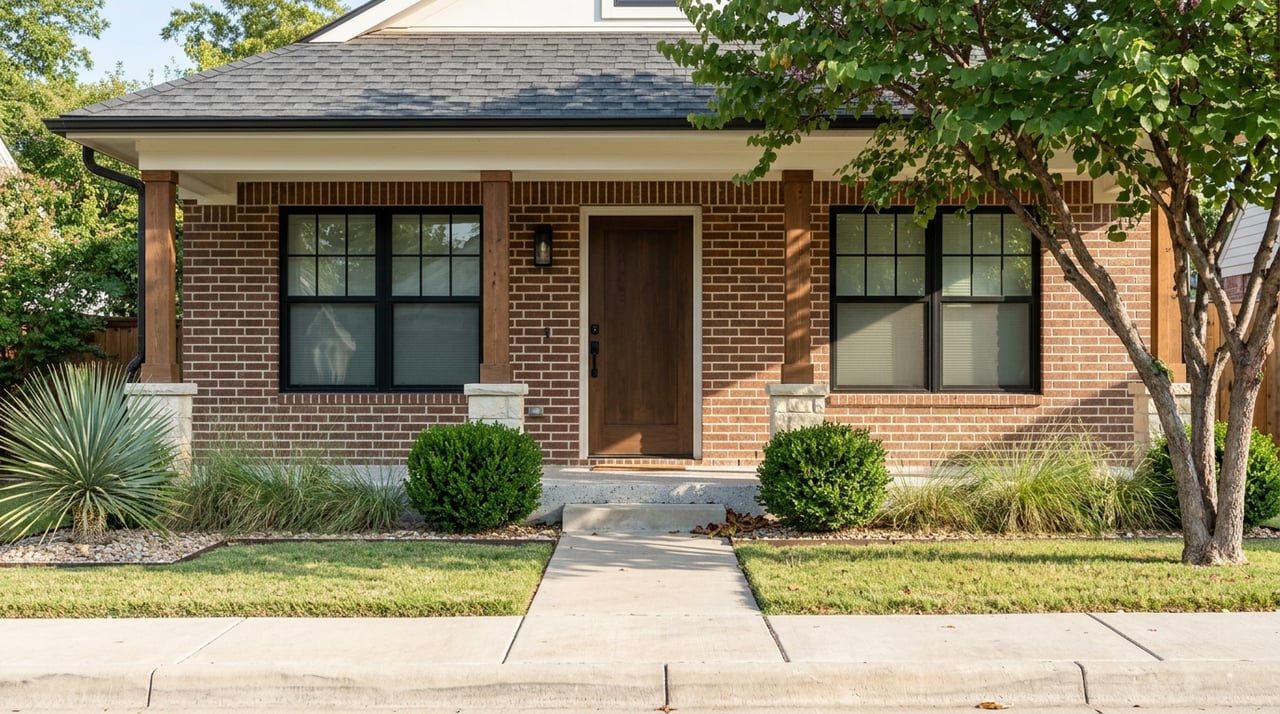
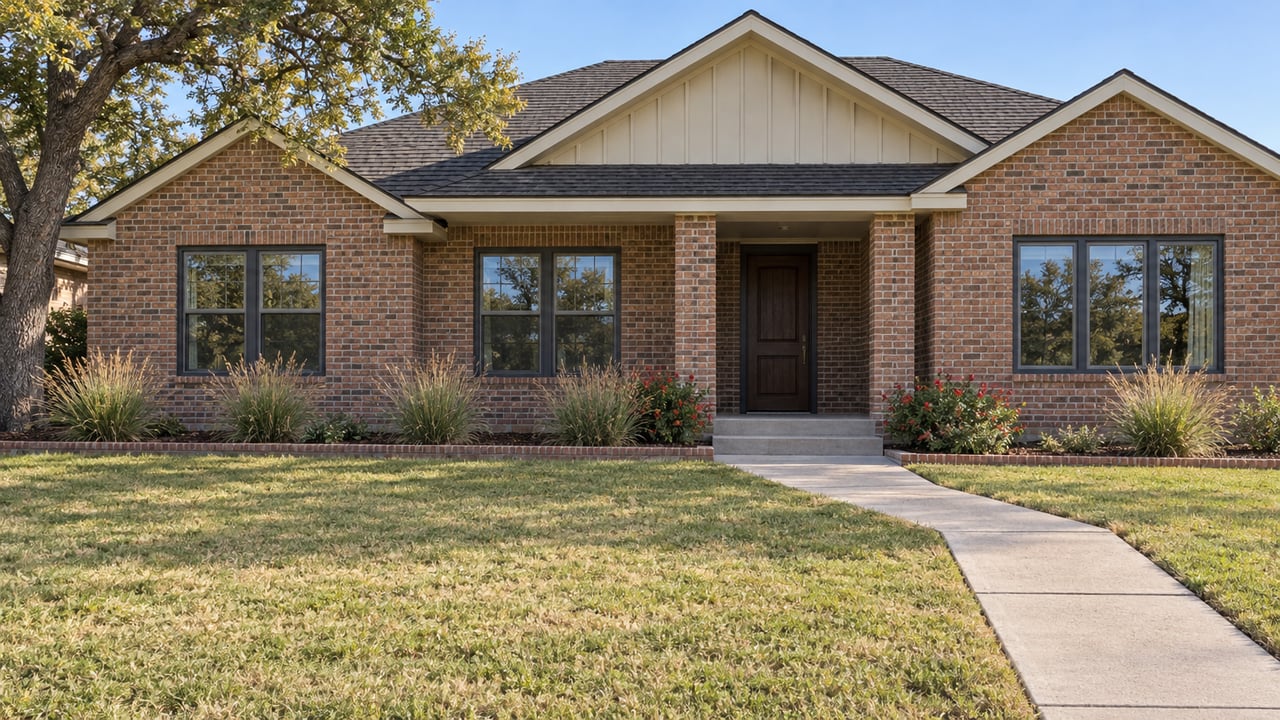
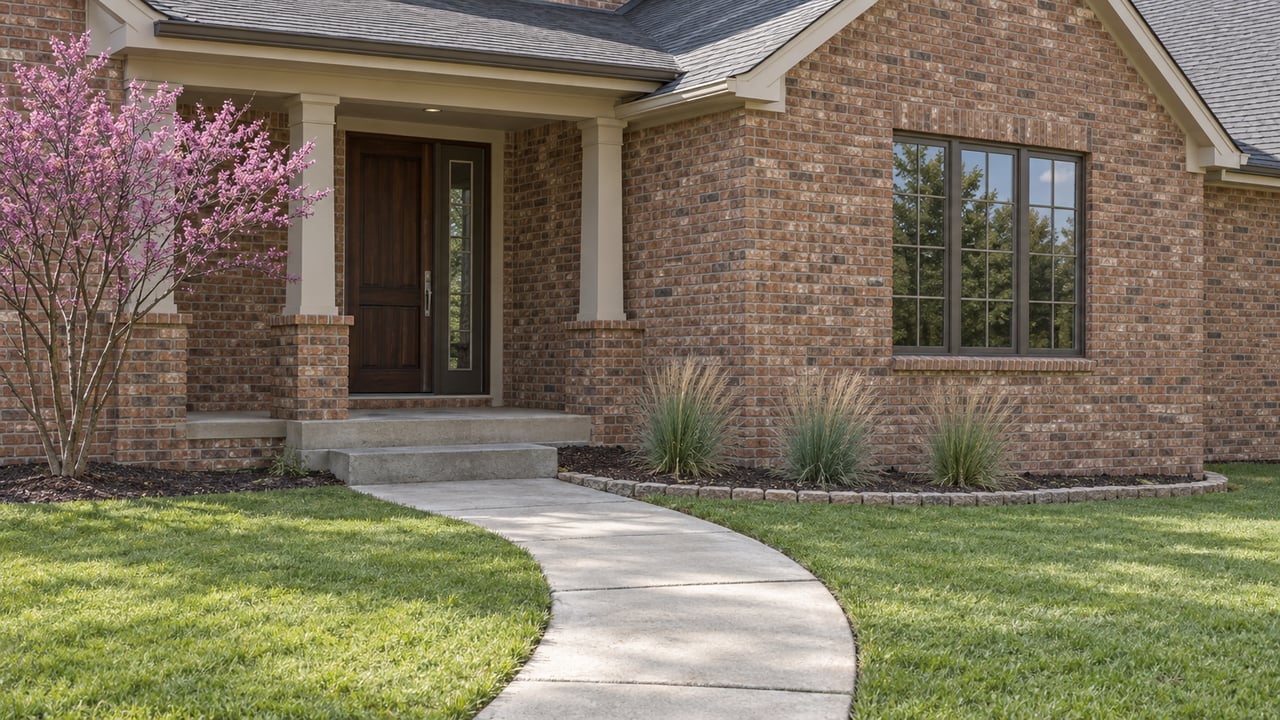
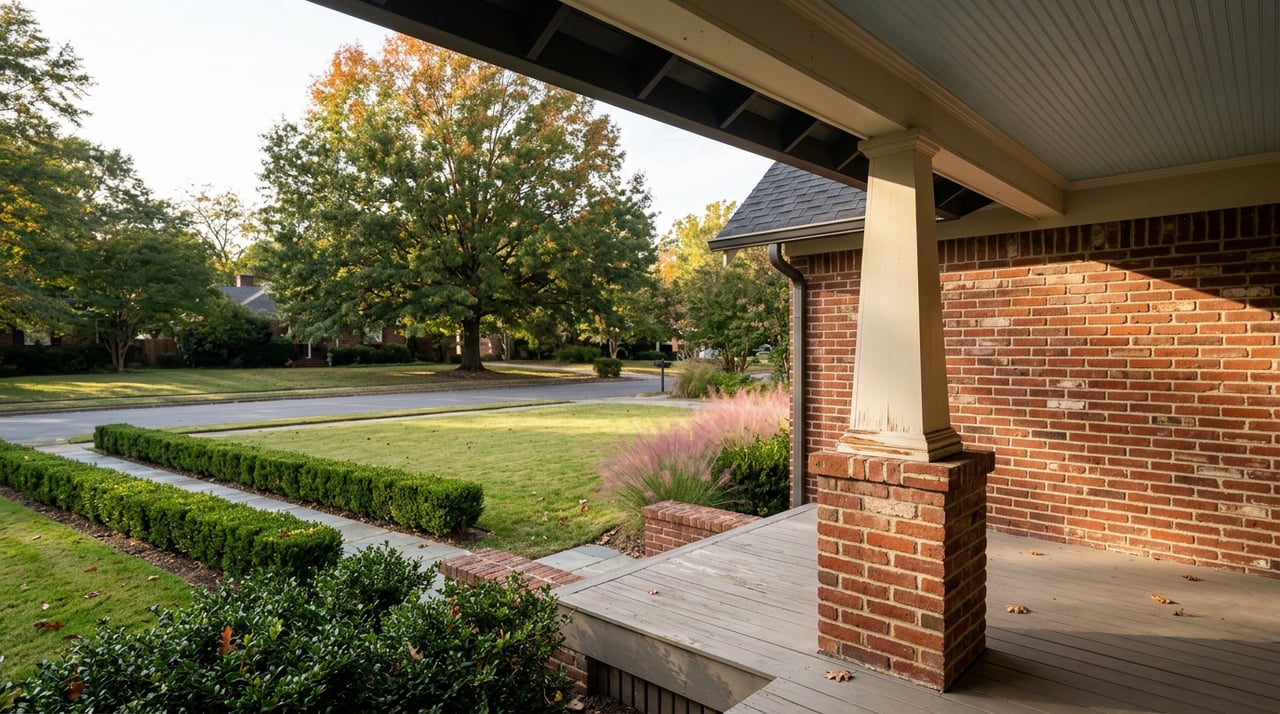
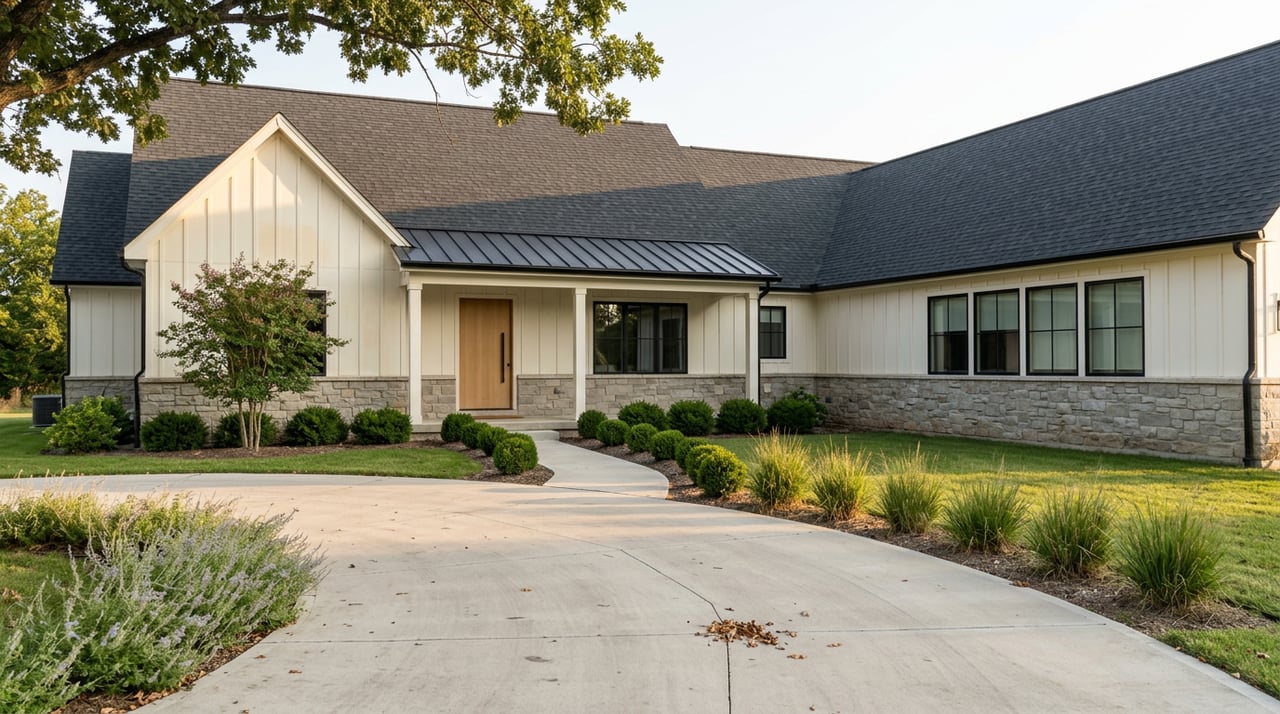
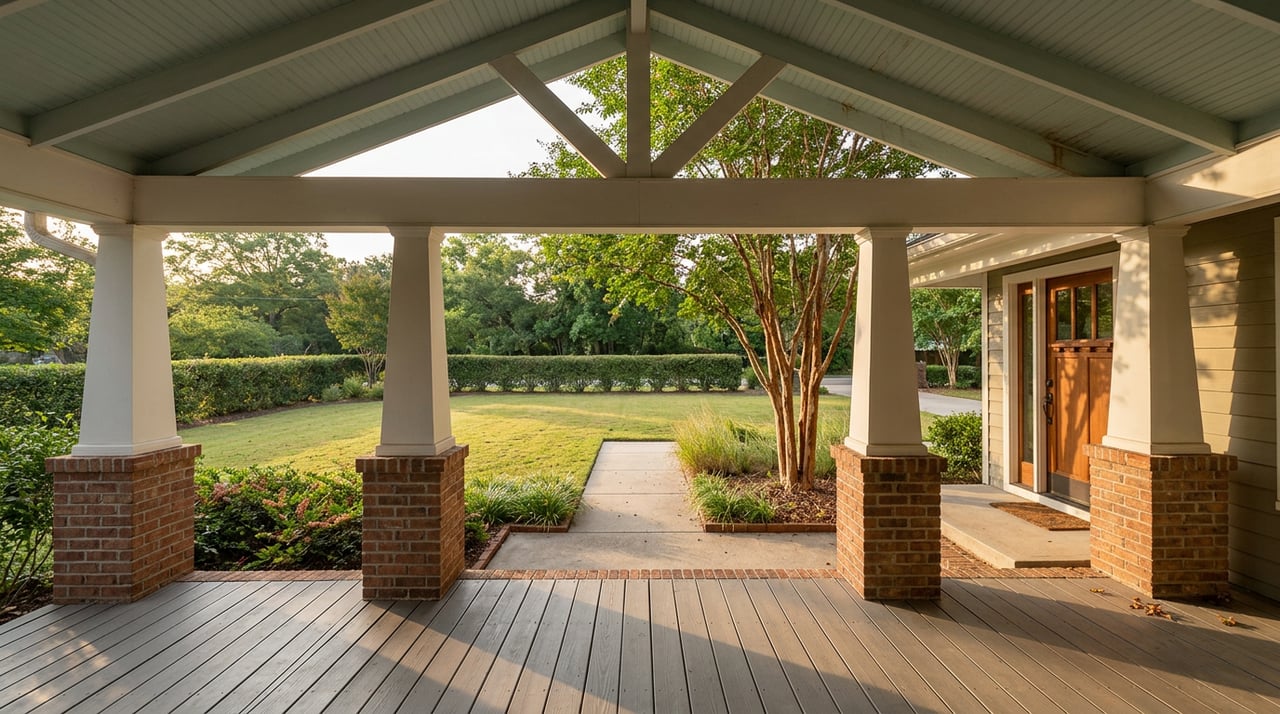
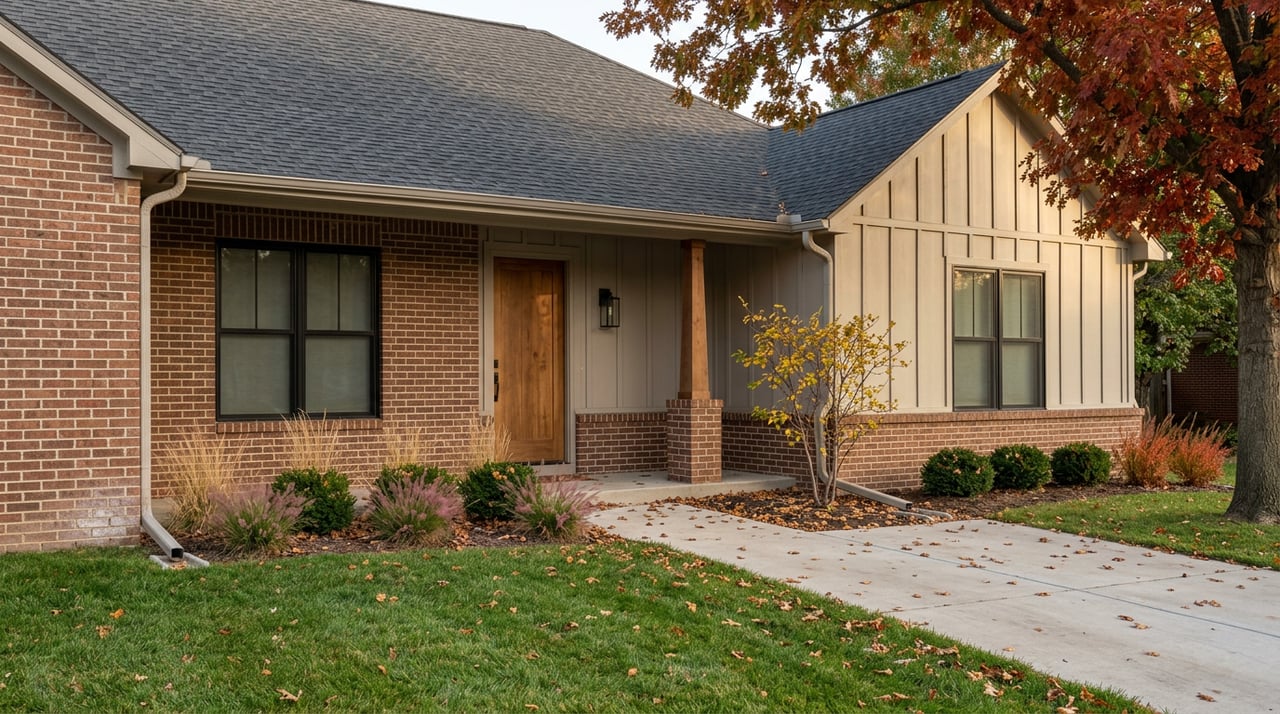
Suburban living around Oklahoma City usually means more detached homes, more private outdoor space, and a development pattern built around driving. In practical terms, suburbs in this market tend to emphasize yards, neighborhood streets, and single-family housing.
That does not mean every suburb is the same. Edmond, Moore, Yukon, and Norman each have different price points and housing patterns, but they generally share a more spread-out format than the urban core.
Edmond’s housing stock is predominantly single-family, with 86% single-family and 12% multifamily according to the city’s housing assessment. Yukon’s housing materials also describe a market that is overwhelmingly single-family detached, and example planned developments there use minimum lot sizes of 6,600 and 7,000 square feet.
Those details help explain the suburban feel. If you picture a detached home, more storage, a larger lot, and more separation between uses, suburban parts of Greater OKC are more likely to line up with that vision.
Suburban living often works well if you prefer more open space and a quieter residential pattern. Yukon’s city materials specifically highlight open space and a comfortable, family-friendly atmosphere, which reflects the broader suburban character many buyers are looking for.
Daily life in the suburbs is usually more car-dependent. Oklahoma City sits at the crossroads of I-35, I-40, and I-44 and has more than 2,400 miles of four-lane roads, so driving remains central across the metro, but that is especially true in more spread-out suburban areas.
If you are comfortable driving to errands, dining, and entertainment, suburban living may feel natural. If you want more opportunities to walk or use transit for short trips, the urban core may offer a stronger match.
Price is often one of the biggest factors in the urban-versus-suburban conversation. Based on the comparison set in the research, Edmond is the highest-priced suburban example, while Moore and Yukon come in below Oklahoma City on median home value.
Here is a quick snapshot:
| Area | Median Home Value | Owner-Occupied Rate | Mean Commute |
|---|---|---|---|
| Oklahoma City | $231,300 | 58.6% | 22.2 min |
| Edmond | $351,400 | 70.3% | 23.3 min |
| Moore | $204,500 | 67.9% | 22.9 min |
| Yukon | $198,900 | 68.9% | 22.8 min |
| Norman | $250,100 | 53.3% | 22.6 min |
This comparison is useful because it shows that suburban living is not always cheaper across the board. Edmond carries a notably higher median home value than Oklahoma City, while Moore and Yukon may appeal more to buyers focused on a lower entry point.
Norman sits between Oklahoma City and Edmond by median home value. It can be a helpful middle-ground comparison if you are looking at broader Greater OKC options.
When buyers compare urban and suburban living in Oklahoma City, the biggest tradeoffs usually fall into four categories: space, housing type, mobility, and budget. These are the questions that tend to clarify the decision fastest.
If you want restaurants, parks, entertainment districts, and cultural destinations close together, urban Oklahoma City has a clear advantage. Downtown and nearby districts are designed in a way that supports a more connected experience.
If you would rather have a larger lot, more private outdoor space, and a detached-home environment, suburban communities may fit better. That preference is often about your day-to-day comfort as much as square footage.
Urban OKC gives you a wider range of housing types. You are more likely to see apartments, townhomes, compact units, historic conversions, and infill housing in the core.
Suburban areas tend to be more heavily weighted toward detached homes. If your top priority is a traditional single-family layout, the suburban side of the equation may be easier to match.
Budget can point you in a direction quickly. Oklahoma City’s median home value is $231,300, while Edmond’s is $351,400, Moore’s is $204,500, Yukon’s is $198,900, and Norman’s is $250,100.
That means buyers should avoid assuming urban always costs more or suburban always costs less. In Greater OKC, the specific city and housing type matter more than the label alone.
This may be the most important question of all. Since commute times across these cities are relatively similar, you may get more value from focusing on how you want to move through your week.
Do you want a car-light routine with options to walk, use the streetcar, and stay close to entertainment districts? Or do you prefer a drive-based routine built around detached housing, neighborhood living, and more private space? Your answer can make the right choice much clearer.
If you are still unsure, use a simple decision framework:
In many cases, the best choice is the one that reduces friction in your everyday life. A home can look perfect on paper, but if the surrounding environment does not match how you want to live, it may not feel like the right fit long term.
Whether you are drawn to the energy of the urban core or the breathing room of the suburbs, the right move starts with clear local insight and a strategy that fits your goals. If you are weighing your options in Greater OKC, Access Real Estate can help you compare neighborhoods, home styles, and price points with confidence.
Stay up to date on the latest real estate trends.
Give us a call when you are ready to make a move. We would be honored to assist with any and all of your Oklahoma Real Estate needs.