Midtown vs South Tulsa: How To Decide Where To Live
May 28, 2026
May 28, 2026
If you are torn between Midtown and South Tulsa, you are not alone. Both areas offer strong appeal, but they serve very different day-to-day lifestyles. The good news is that your choice gets much easier once you look at how you want to live, commute, and spend your weekends. Let’s dive in.
Midtown and South Tulsa are not single neighborhoods with exact lines. They are broad Tulsa regions made up of many smaller areas, and the City of Tulsa notes that the boundaries are approximate.
In the city’s 2022 data, Midtown had a population of 127,368, while South Tulsa had 108,642. That matters because you are really comparing two larger lifestyle zones, not just two subdivisions.
The City of Tulsa groups Midtown into ZIP codes 74103, 74104, 74105, 74112, 74114, 74119, 74120, 74135, and 74145. South Tulsa is grouped into 74133, 74136, and 74137.
Because these are ZIP-based regions, they do not line up perfectly with neighborhood identity on the ground. As you compare options, it helps to think of Midtown and South Tulsa as broad parts of the city with different housing patterns, road access, and amenities.
If budget is one of your biggest decision points, here is the current snapshot. As of March 2026, Midtown’s median sale price was $258,500, while Southside Tulsa’s median sale price was $298,750.
Midtown had a median price of $175 per square foot and 36 days on market. Southside Tulsa came in at $143 per square foot and 53 days on market. Both markets were described as somewhat competitive, with homes often selling a few percent below list on average.
These figures suggest Midtown may offer a lower entry price overall, but often at a higher cost per square foot. South Tulsa, by contrast, tends to cost more in total while offering more square footage for the money.
That does not mean one is automatically a better value. It means your best fit depends on whether you care more about central location and character, or total space and a more suburban layout.
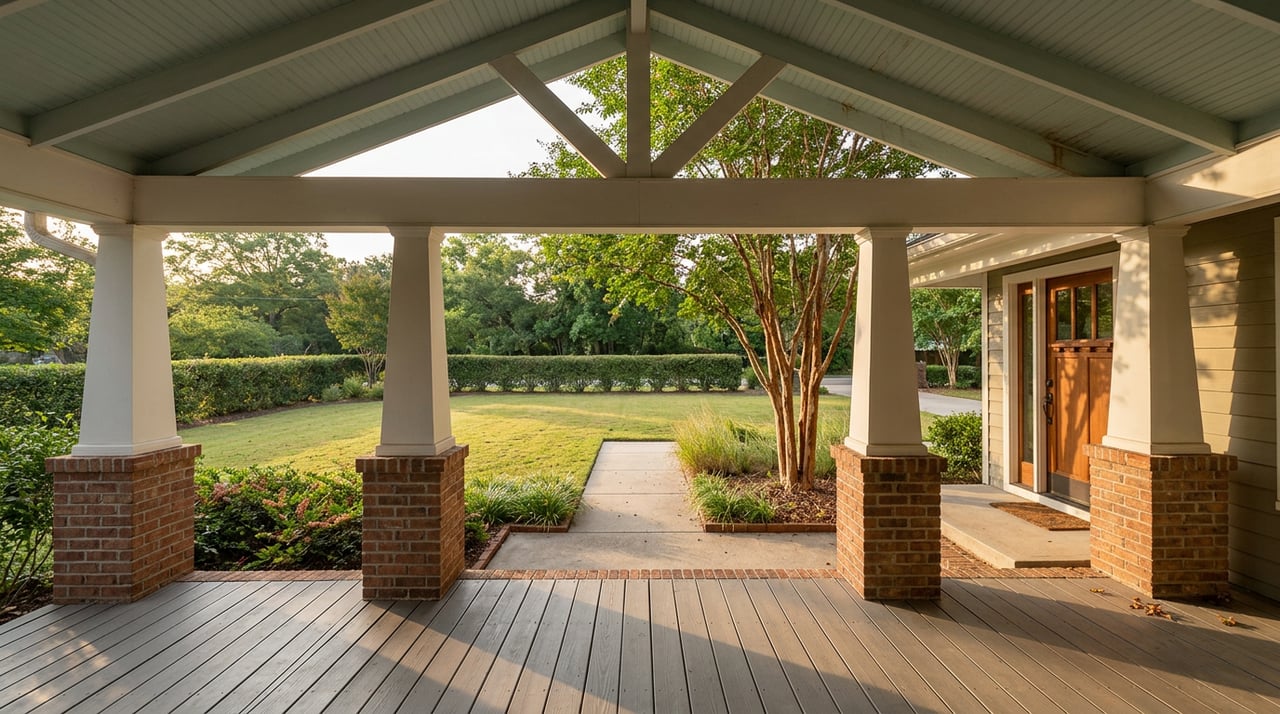
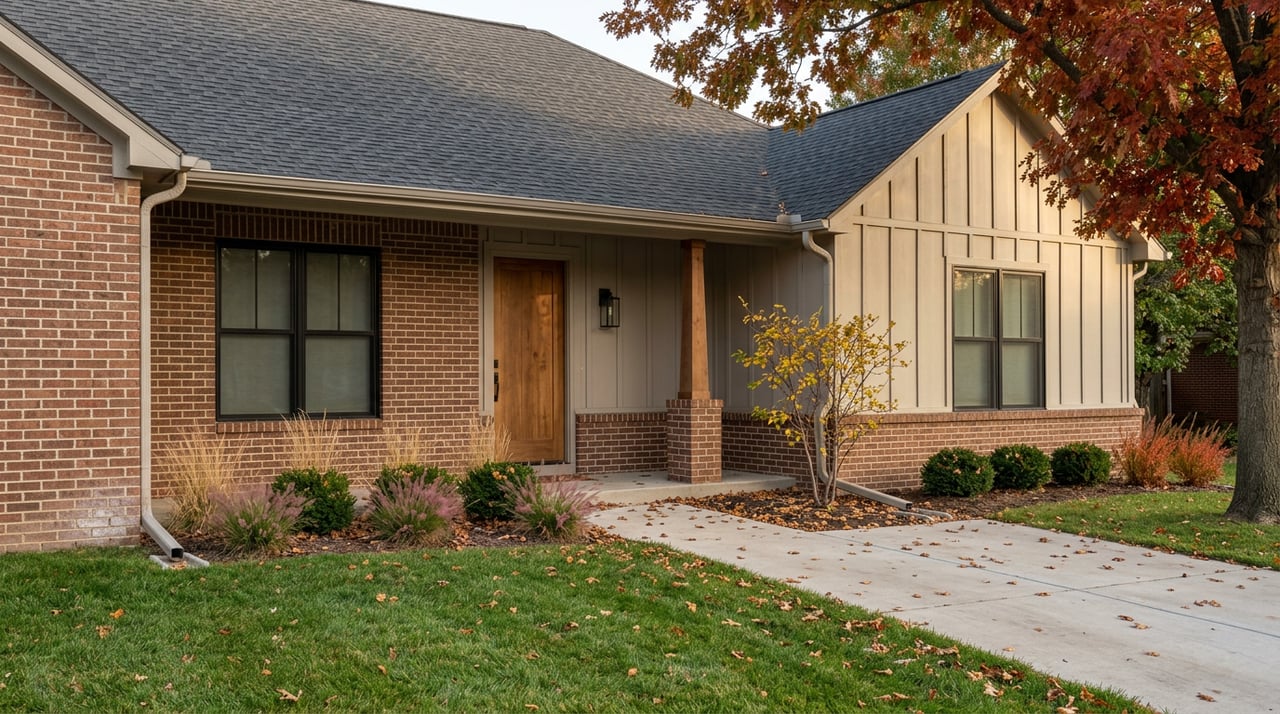
One of the clearest differences between Midtown and South Tulsa is the feel of the housing stock. Midtown has a broader mix of property types and architectural styles, while South Tulsa tends to lean toward larger detached homes with suburban-scale floor plans.
In Midtown, recent sales ranged from a 684-square-foot condo to a 1,194-square-foot home to a 4,247-square-foot home. That kind of spread reflects an area where you can find compact units, classic houses, and larger renovated properties.
Tulsa Preservation Commission district histories show how much architectural range Midtown holds. Maple Ridge includes Prairie School, Colonial, Federal, Georgian, and Neo-Classical examples.
Gillette includes Gothic Tudor, Jacobean or Tudor, Streamline Art Deco, and Airplane Bungalow homes. Owen Park includes bungalow, Craftsman, Prairie School, and early folk-style homes. If you are drawn to established homes with distinct design character, Midtown stands out.
Southside Tulsa’s recent sales sample included homes sized at 1,557, 2,231, 3,333, and 4,247 square feet across its ZIP cluster. That points to a market that generally trends toward larger homes and more traditional suburban layouts.
If your wish list includes extra bedrooms, larger living areas, or more separation between rooms, South Tulsa may line up better with your goals. Buyers who want a more driving-oriented suburban feel often find that this side of town fits more naturally.
Where you live can shape your entire week. If you are deciding between Midtown and South Tulsa, commute style is one of the most important filters.
Midtown has stronger transit connections and easier access to downtown. South Tulsa is more highway-oriented and tends to work best for people who are comfortable with a driving-first routine.
MetroLink Tulsa operates fixed-route, MicroLink, and LinkAssist services. The downtown transit system identifies Midtown Memorial Station as a key connection point for Midtown and Downtown travelers.
Route 250 Crosstown links Denver Avenue Station downtown, Midtown Memorial Station, and the Woodland Hills Mall sub-hub. Route 900 Express also connects Broken Arrow directly to Midtown Memorial Station.
South Tulsa’s transportation pattern is more centered on major arterials and highways. ODOT’s work in the area highlights the importance of the US-169, SH-364 Creek Turnpike, and Memorial Drive interchange.
Route 250 also travels across Highway 64 before heading south on Memorial Drive toward Woodland Hills Mall. For many buyers, that supports a simpler car-based routine built around shopping corridors and regional road access.
A home search is never just about the house. It is also about what a normal Tuesday, Friday night, or Saturday morning will feel like once you move in.
Midtown and South Tulsa both offer plenty to do, but the experience is very different. Midtown feels more district-based and layered, while South Tulsa feels more destination-based and spread out.
Visit Tulsa describes Cherry Street as a northern Midtown foodie district with around 20 restaurants and many locally owned businesses. Brookside combines dining, boutiques, and proximity to Gathering Place.
Utica Square adds an outdoor shopping experience, and Gathering Place brings a free 66.5-acre riverfront park into the mix. River Parks also offers 26 miles of asphalt trails along the Arkansas River, which supports walking, running, biking, and park-centered weekends.
If you like the idea of choosing between several smaller districts for dinner, coffee, shopping, or outdoor time, Midtown gives you that kind of variety. It tends to feel more textured from one pocket to the next.
South Tulsa has a different rhythm. Visit Tulsa identifies Woodland Hills at 71st and Memorial as a major South Tulsa destination, and Woodland Hills Mall includes more than 120 specialty shops and restaurants.
River Spirit Casino Resort is also located in South Tulsa’s 74137 area. In practical terms, this means South Tulsa often centers errands, entertainment, and shopping around larger destination hubs rather than several tightly packed districts.
If you like convenience, easy parking, and larger shopping and entertainment nodes, South Tulsa may feel more efficient for your routine. Many buyers appreciate that straightforward suburban setup.
If you are still unsure, the easiest way to decide is to focus on how you want your days to work. A smart move is to compare your priorities instead of chasing a perfect area that does everything.
Here is a simple way to think about it:
Before you decide, ask yourself:
Your answers will usually point clearly toward one side of town.
For many buyers, the cleanest summary is this: Midtown is the character and centrality choice, while South Tulsa is the space and convenience choice. Neither is universally better.
The right choice depends on your budget, your commute, and the kind of daily rhythm you want after move-in. When you view the decision through that lens, the next step becomes much clearer.
If you want help narrowing down Tulsa neighborhoods, comparing home options, or building a plan around your budget and goals, Access Real Estate is here to guide you with clear advice and personalized support.
Stay up to date on the latest real estate trends.
Give us a call when you are ready to make a move. We would be honored to assist with any and all of your Oklahoma Real Estate needs.