A Buyer’s Guide to Tulsa Home Architectural Styles
June 18, 2026
June 18, 2026
Wondering how to tell a Tulsa bungalow from a ranch, or why one home feels porch-centered while another feels built around the garage? If you are buying in Tulsa, home style can tell you a lot about layout, upkeep, and the kind of neighborhood pattern you may find. A quick understanding of the city’s most common styles can help you search smarter, compare homes more confidently, and spot the details that matter most. Let’s dive in.
Tulsa has a layered housing story. City planning and preservation materials describe a housing stock that ranges from early Craftsman bungalows to mid-century ranch homes, newer modern residences, and a distinct Art Deco legacy.
That mix means you may see very different home types within the same general area of the city. Older neighborhoods like Yorktown, Swan Lake, and Sequoyah reflect earlier development periods, while Ranch Acres and Lortondale are strong examples of postwar housing patterns.
A home’s style is more than curb appeal. In Tulsa, style often hints at the era when the home was built, the size and shape of the lot, and the kinds of updates the property may have seen over time.
For example, bungalows tend to be detail-rich and porch-focused. Ranch homes usually feel broader, more open, and more connected to the car-oriented patterns of the 1950s and 1960s. Contemporary homes often lean toward simpler shapes, larger glass areas, and less ornament.
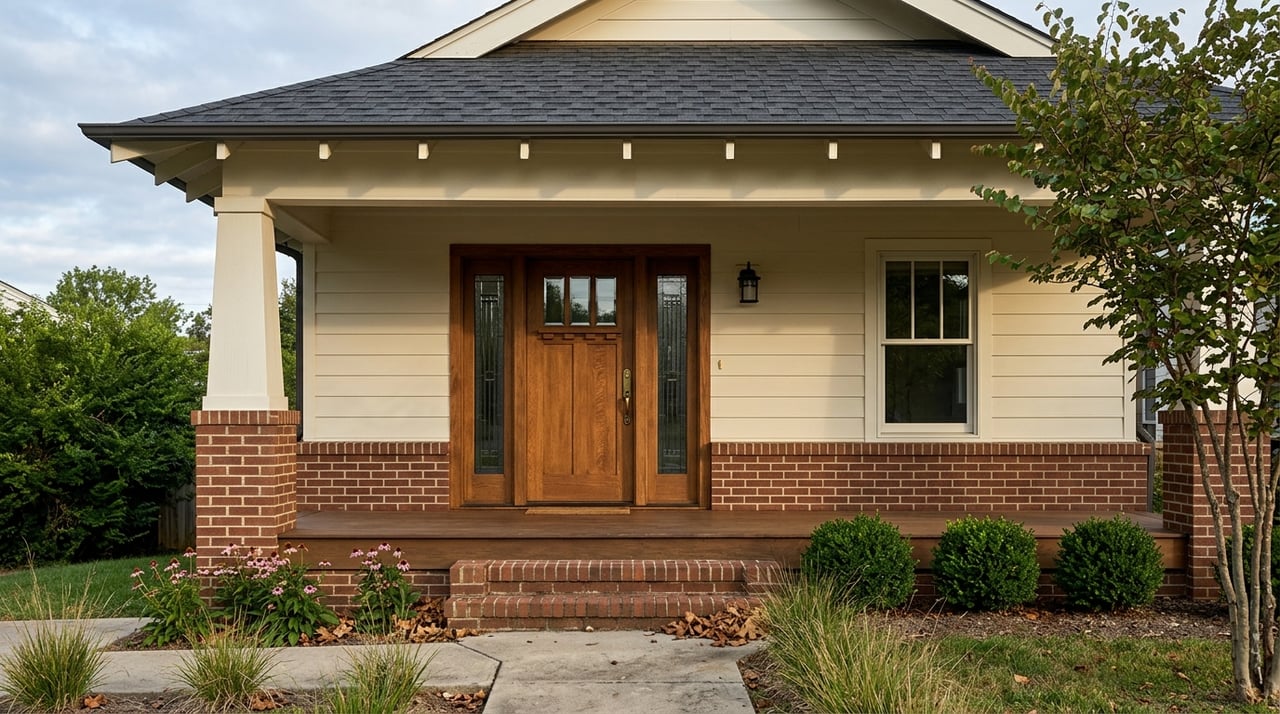
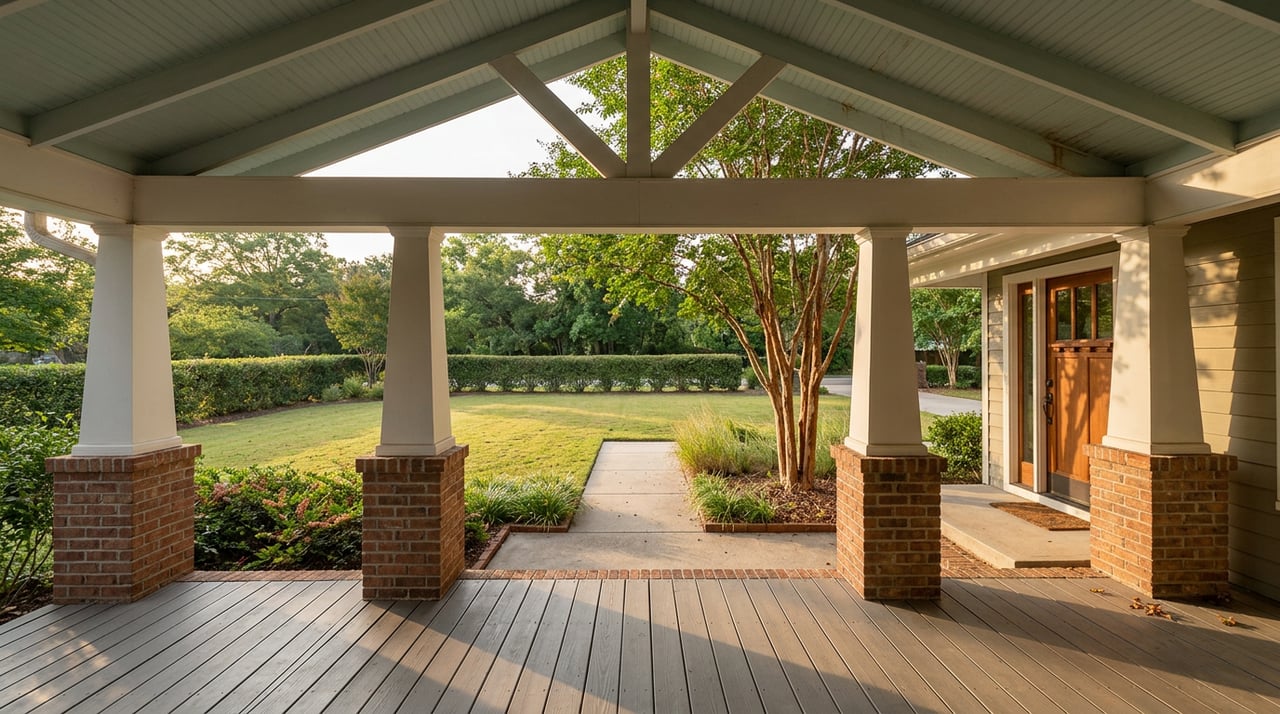
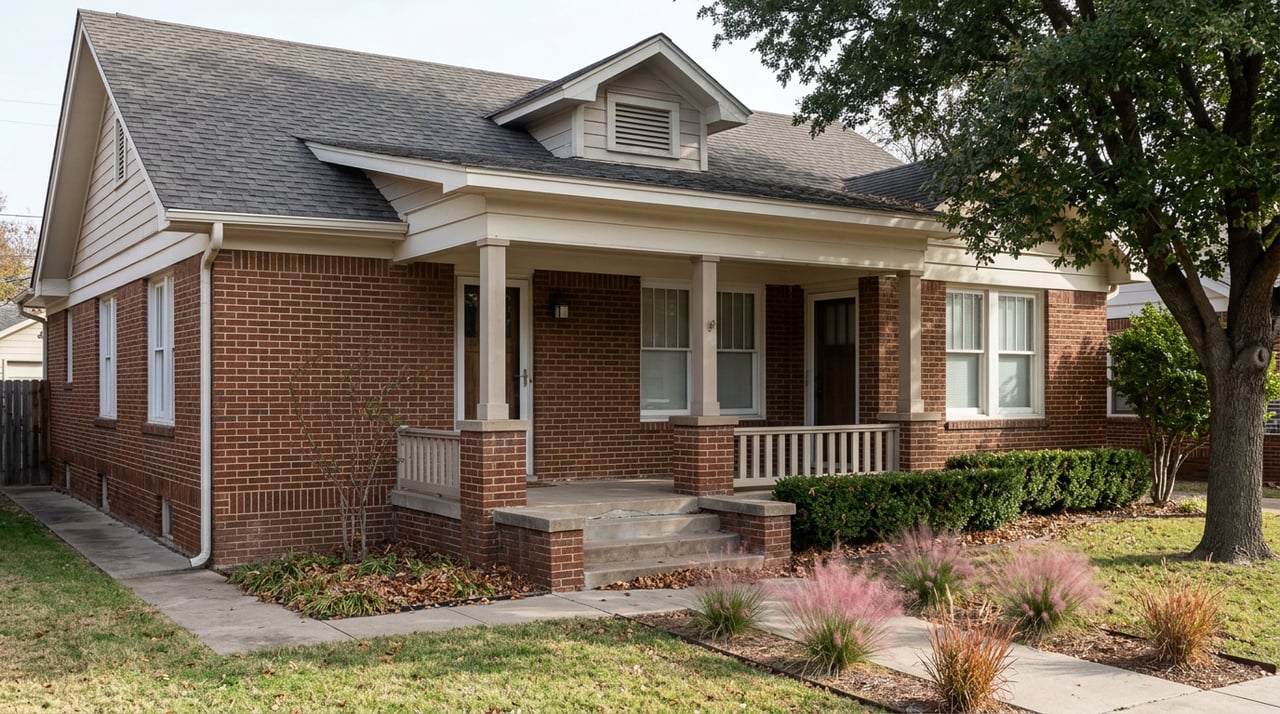
Craftsman bungalows are one of the easiest older Tulsa styles to recognize. They are usually one to one-and-a-half stories tall, with low-pitched gabled roofs, wide overhangs, exposed rafters, and a front porch tucked under the main roof.
Exterior materials often include wood clapboard, wood shingles, stone, brick, or mixed masonry. These homes tend to show more visible architectural detail than later styles, which is part of their appeal for many buyers.
Tulsa preservation materials identify Yorktown as predominantly Bungalow/Craftsman. You can also find bungalow-era homes in areas such as Sequoyah and Swan Lake.
Because these homes come from an earlier building period, they often sit in neighborhoods where houses were designed with a stronger front-porch presence and a closer relationship to the street. That can create a very different feel from later subdivisions.
Many older Tulsa homes have been updated over time. Oklahoma preservation guidance notes that older houses are often retrofitted with modern wiring, central air, and other mechanical systems.
That means a bungalow may keep its historic appearance while still offering major system improvements. At the same time, buyers often want to pay close attention to character-defining features like original windows, porches, and eaves, since those details help preserve the home’s style.
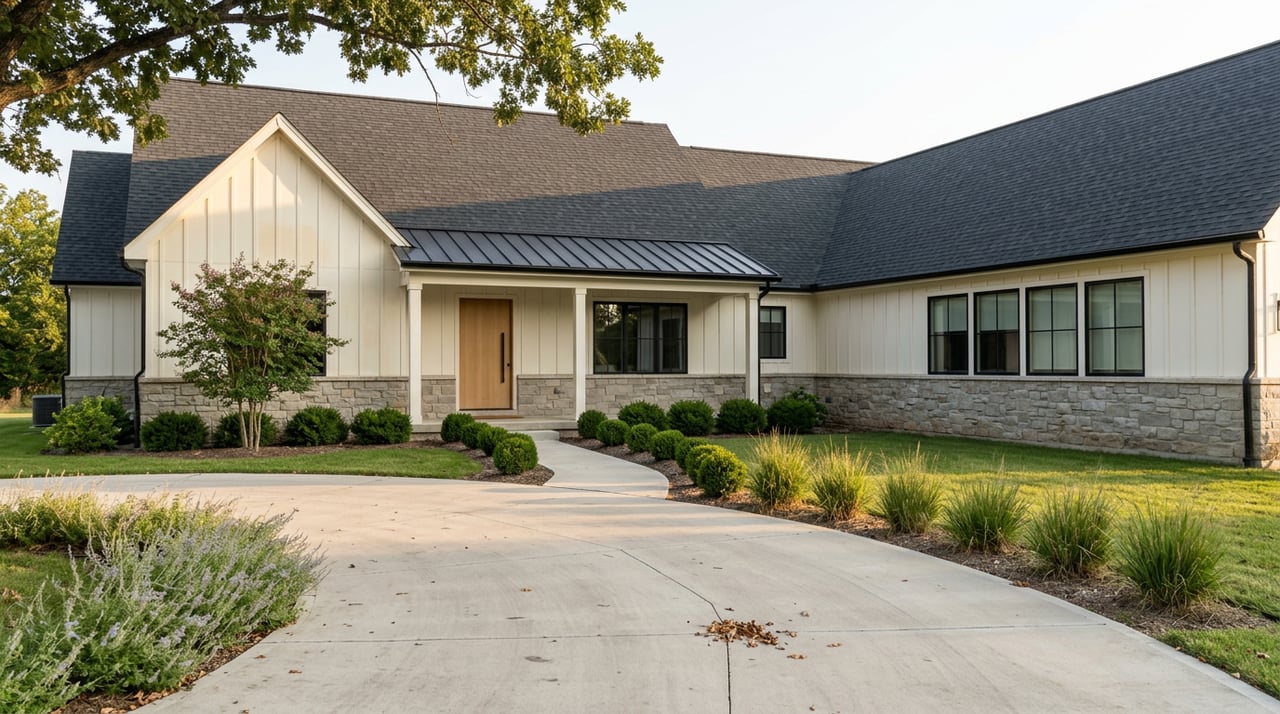
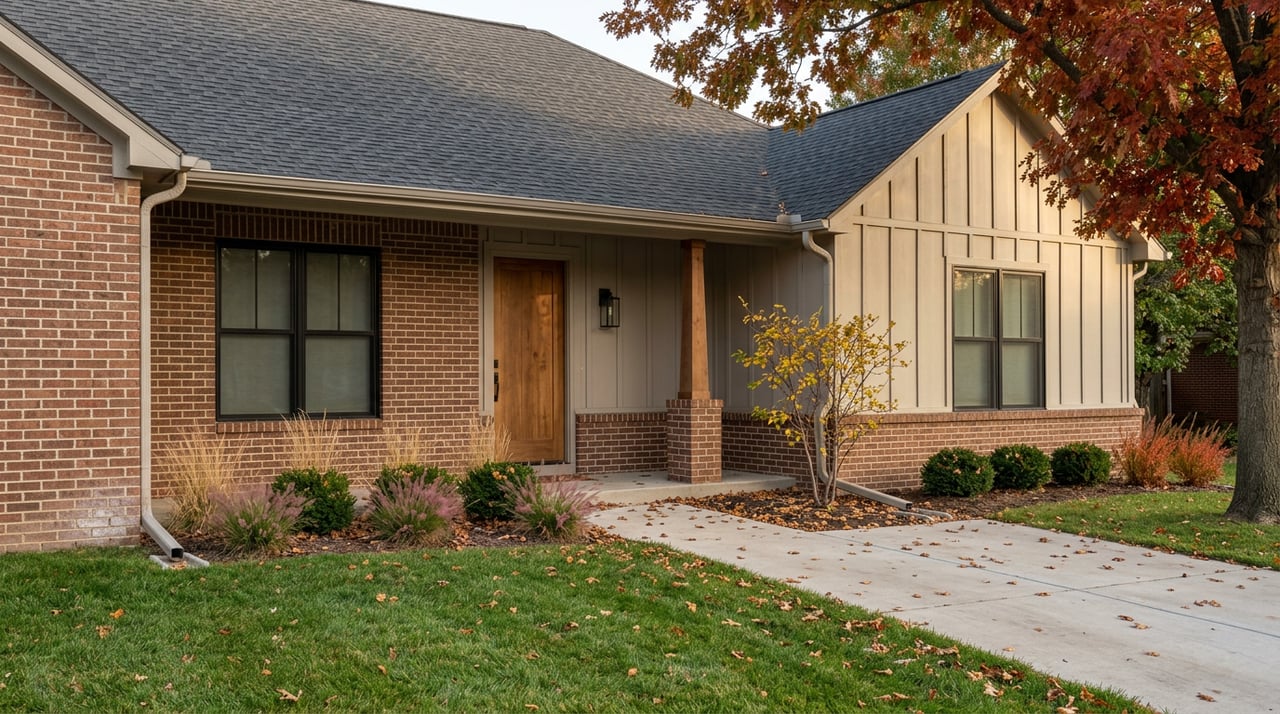
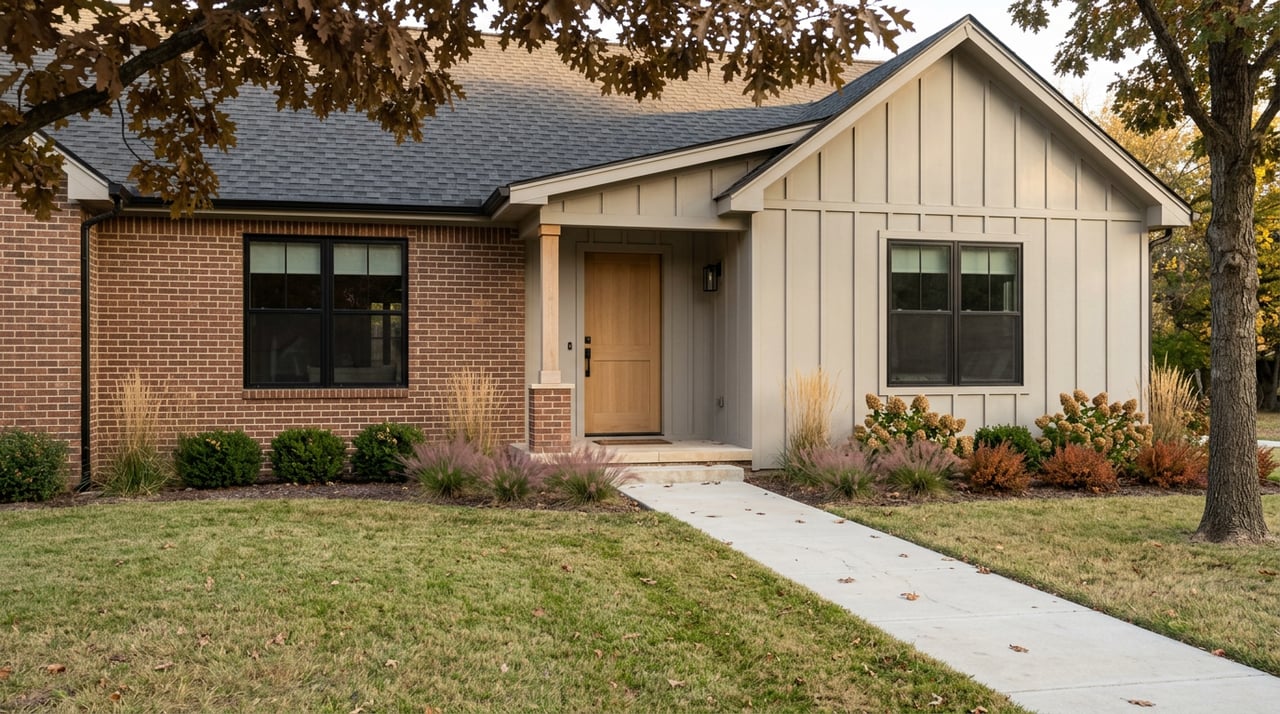
Ranch homes became especially common in the 1950s and 1960s, and they remain a major part of Tulsa’s housing inventory. These homes are typically single-story with low-pitched roofs, moderate or wide eaves, and asymmetrical plans.
You will often see attached garages, large picture windows, and open, simple floor plans. Compared with many bungalow-era homes, ranch homes generally reflect a more automobile-oriented lifestyle and are often found on larger lots.
Ranch Acres is one of Tulsa’s best-known postwar examples. City materials describe it as an intact post-World War II ranch subdivision with extra-large lots, streets that follow the topography, and nearly 90 percent contributing residences.
Lortondale is another important reference point. Tulsa planning materials describe it as made up entirely of mid-century modern, ranch-style homes, which helps explain why buyers may notice a strong postwar identity there.
Many buyers like ranch homes because of their single-story living and relatively straightforward floor plans. The large picture windows and broader footprint can also make these homes feel open and connected to the lot.
If you are comparing ranch homes, look closely at garage placement, lot size, window condition, and how much of the original layout has been changed. Since these homes were built in the postwar era, updates can vary widely from property to property.
Not every postwar Tulsa home fits neatly into a standard ranch label. Some homes, especially in mid-century settings, lean more contemporary in their design and feel less ornamental than earlier houses.
Contemporary-style houses from the postwar period were often individually architect-designed rather than pulled from a standard subdivision plan. That can give them a more custom look, even when they share the same era as nearby ranch homes.
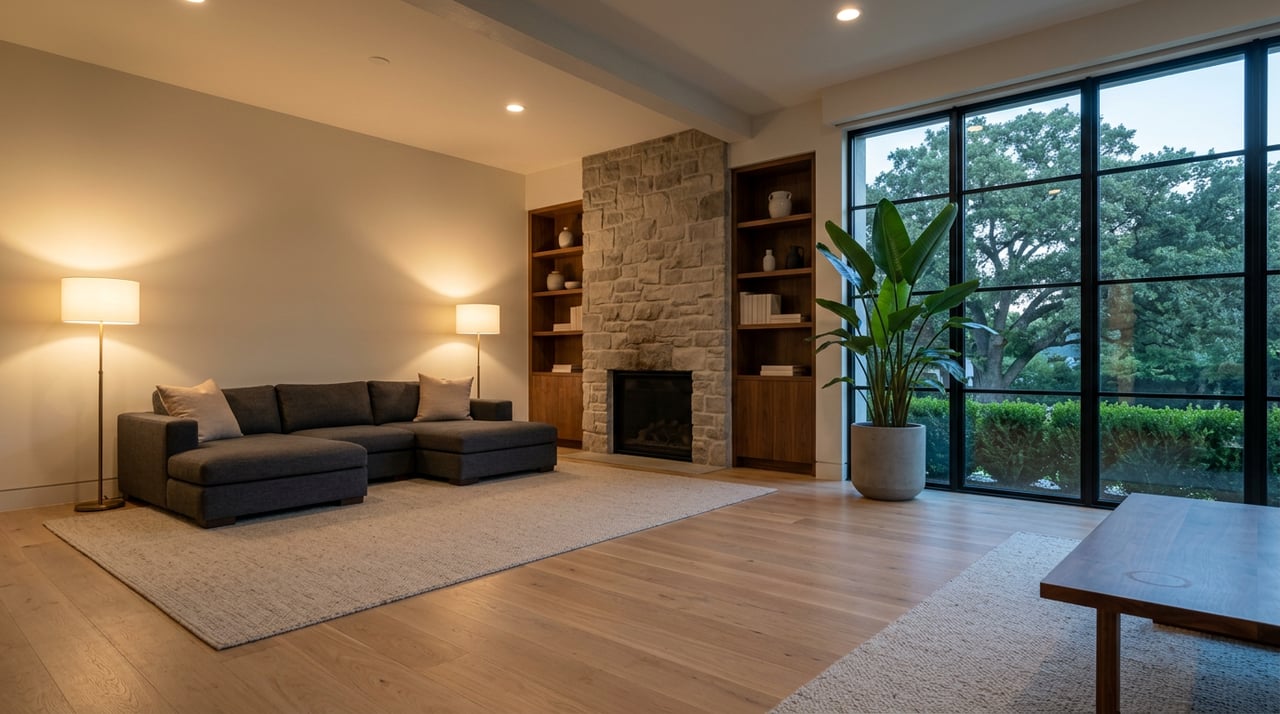
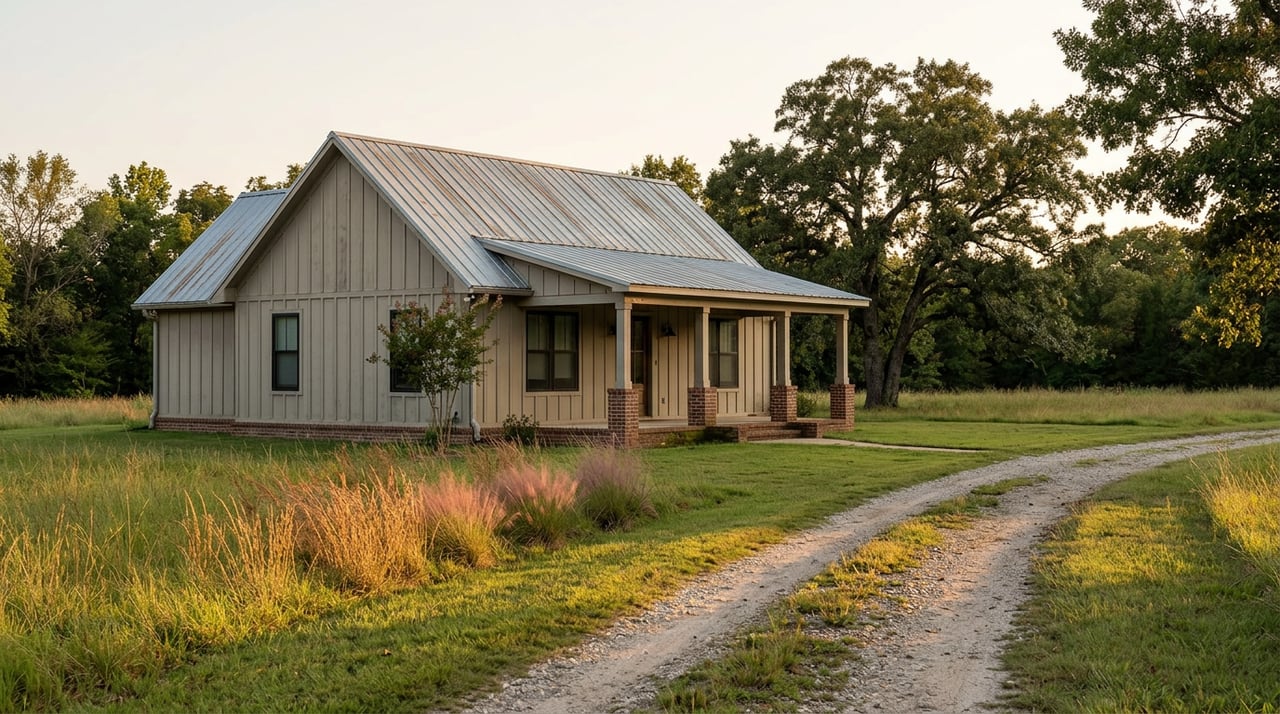
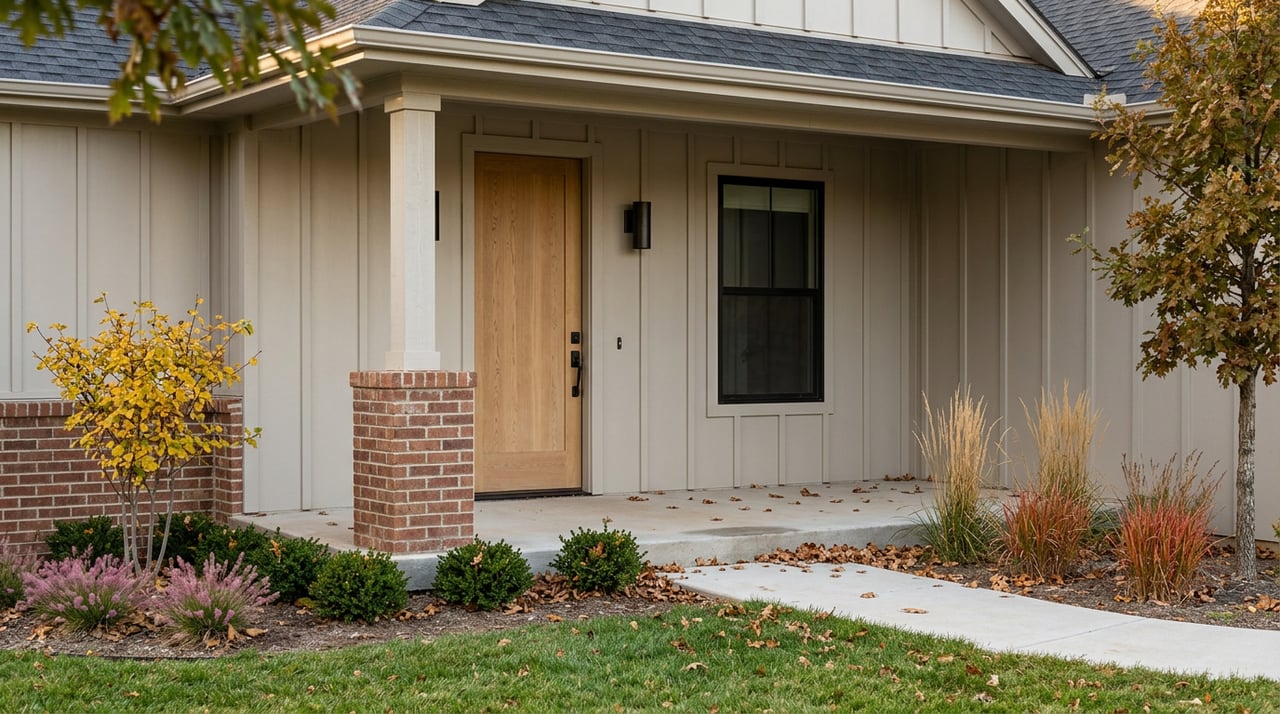
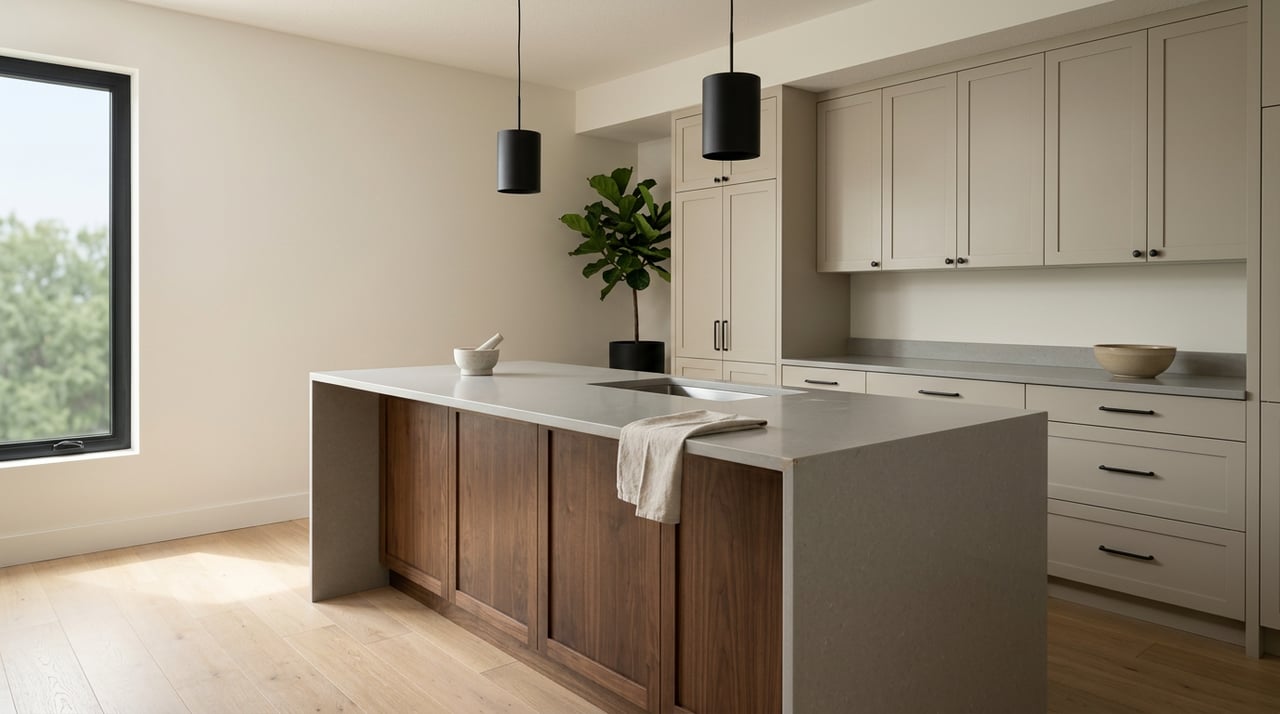
Contemporary homes may have flat roofs or gable roofs, depending on the subtype. Common visual cues include minimal detailing, overhanging eaves, exposed beams, natural-material piers, and one-story massing.
You may also see rectilinear or square plans, front-facing window walls, or clerestory windows. In Tulsa, preservation materials specifically point to California Contemporary homes in Lortondale, which helps explain the cleaner lines and larger glass areas buyers may notice there.
Tulsa’s architecture is not limited to bungalows and ranch homes. Preservation materials also note Tudor Revival, Colonial Revival, Prairie, Georgian, and Art Deco influences in the city’s older neighborhoods.
For example, Swan Lake includes Tudor Revival and Georgian examples, while Sequoyah includes Tudor Revival alongside Craftsman bungalows. Tulsa’s Art Deco presence also remains part of the city’s visual landscape, not just in larger buildings but in some private homes as well.
If you are browsing listings or driving neighborhoods, a few key terms can help you narrow what you want more quickly. Learning this vocabulary can make listing descriptions easier to decode.
If you fall in love with an older Tulsa home, it is smart to ask whether the property is in a historic preservation overlay district. In Tulsa’s HP-zoned neighborhoods, exterior renovations or repairs may require an HP Permit before work begins, even if a standard building permit is not required.
According to the city, that review process is intended to preserve district character and support compatibility. State preservation guidance also encourages new work to remain compatible with the historic building and district, with contemporary energy-saving features placed out of public view when possible.
The right style depends on how you want to live and what kind of maintenance or updates you are comfortable taking on. A bungalow may offer charm and original detail, while a ranch may give you single-story simplicity and a broader footprint.
A contemporary home may appeal to you if you like cleaner lines, larger glass areas, and a less decorative look. In Tulsa, understanding style can help you look past surface finishes and focus on how a home’s design fits your goals.
Whether you are comparing older character homes or mid-century layouts, it helps to have a local guide who can connect style, neighborhood pattern, and practical next steps. If you are planning a move in Tulsa, Access Real Estate can help you evaluate your options with clarity and confidence.
Stay up to date on the latest real estate trends.
Give us a call when you are ready to make a move. We would be honored to assist with any and all of your Oklahoma Real Estate needs.