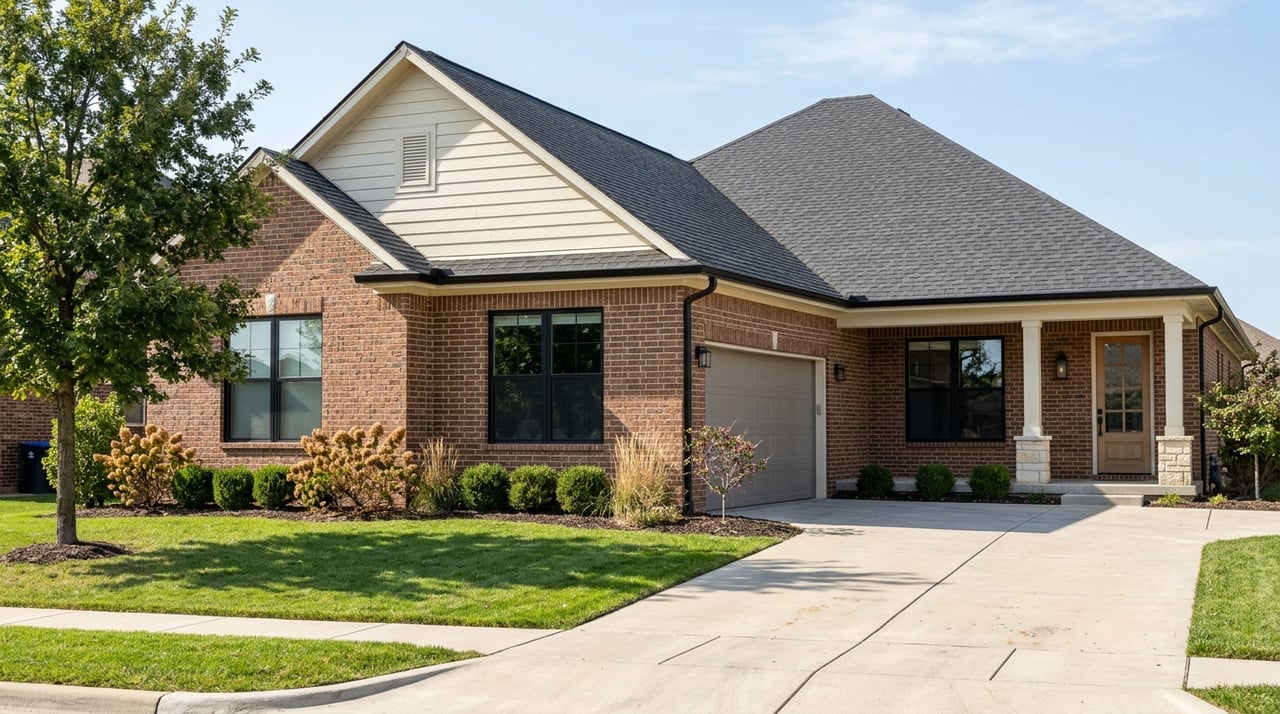
Yukon New Construction vs Established Homes: Which Fits You
April 2, 2026
April 2, 2026
Trying to choose between a brand-new home and an older one in Yukon? You are not alone. This is one of the biggest decisions many buyers face, especially in a market where price points, timelines, and housing styles can vary a lot from one neighborhood to the next. If you are weighing modern finishes against larger lots, or warranty coverage against immediate move-in, this guide will help you compare your options more clearly. Let’s dive in.
If you have started researching Yukon homes, you have probably already noticed that market numbers do not always match. That is because different platforms track different things, such as sale prices, listing prices, or home value estimates.
For example, Redfin’s Yukon market data reported a February 2026 median sale price of $210,500 and 34 median days on market. Meanwhile, Zillow showed an average home value of $269,780 and a December 2025 median sale price of $267,733, while Realtor.com reported a January 2026 median listing price of $304,990 and 62 median days on market. The takeaway is simple: you need to compare more than one metric before deciding what fits your budget and goals.
That matters even more in Yukon because new construction is not a small niche here. According to Zillow’s Yukon builder directory, the city has 12 builders in 24 communities with 261 spec homes, including 244 move-in ready homes and 17 currently being built. In other words, you have real choices on both sides of the market.
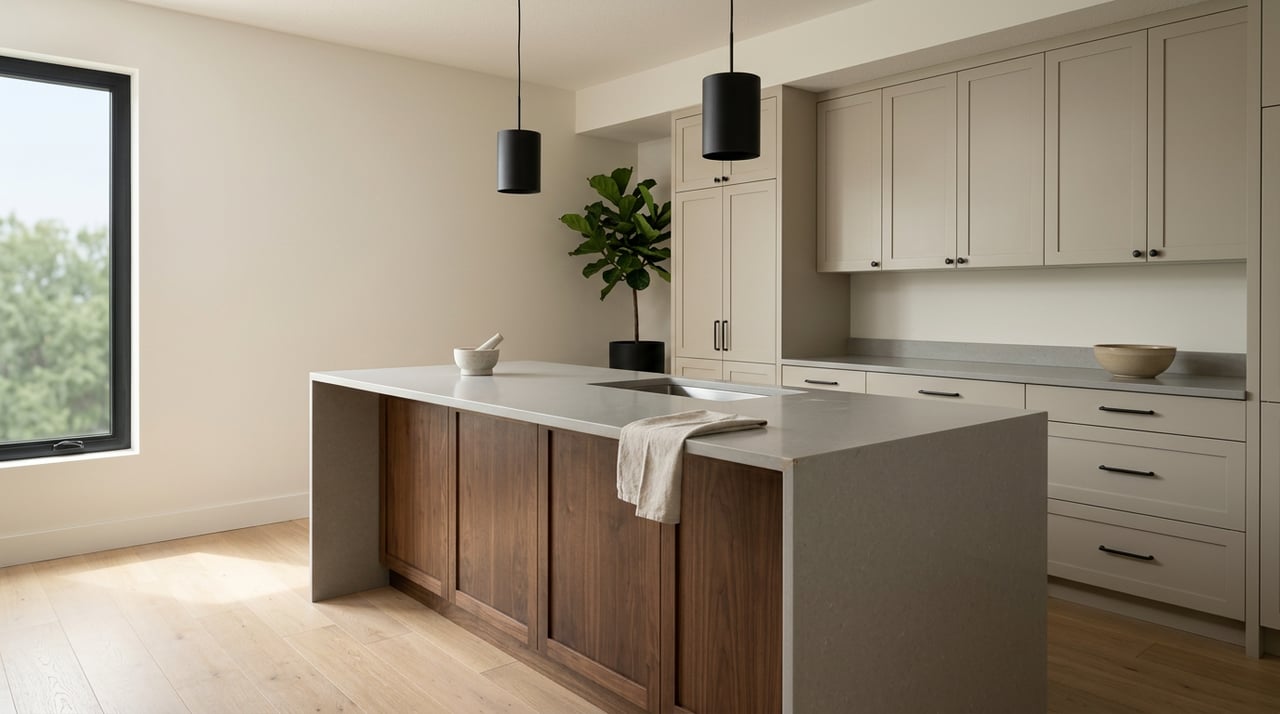
New construction in Yukon often appeals to buyers who want a more turnkey experience. Many newer communities emphasize open layouts, current design trends, energy efficiency, and fewer near-term repair projects.
Pricing typically starts in the mid-to-high $200,000s and moves up depending on the builder, floor plan, lot, and features. Current examples in Yukon include LGI Homes at Tuscany Lakes from $269,900, D.R. Horton’s Montereau from $264,990, and Homes by Taber’s Britton Farms from $274,990 to $577,840, according to the research provided.
If you are considering a new build, these are some of the biggest benefits:
Zillow also reports that the average Yukon new-construction floor plan is about 2,040 square feet, while the average spec home is around 1,842 square feet. That can make new construction especially appealing if you want a layout designed around how people live today.
One of the biggest myths about new construction is that it always takes a long time. In reality, the timeline depends on whether you are buying a completed spec home or choosing a home that still needs to be built.
For example, LGI Homes says buyers at Tuscany Lakes may be able to move into a new home in 30 to 45 days when move-in-ready inventory is available. On the other hand, some communities have more to-be-built inventory than completed homes. Realtor.com data in the research report shows Scissortail Crossing with 18 move-in ready homes and 41 to be built, and Montereau with 1 move-in ready and 7 to be built.
As a broader benchmark, U.S. Census data cited in the research report show new residential construction in the South averaged 10.7 months from start to completion in 2022. So if timing matters, it is worth asking early whether the home is complete, nearing completion, or just a floor plan.
Many buyers assume new construction always means a smaller lot. In Yukon, that is not always true.
Lot size depends heavily on the subdivision. In one Yukon planned development, the minimum lot size is 6,600 square feet, while other communities market acreage homesites. At the same time, the research report also notes an under-construction Yukon listing on a 4,800-square-foot lot. New construction in Yukon can range from compact neighborhood lots to much larger homesites, so community-level research matters.
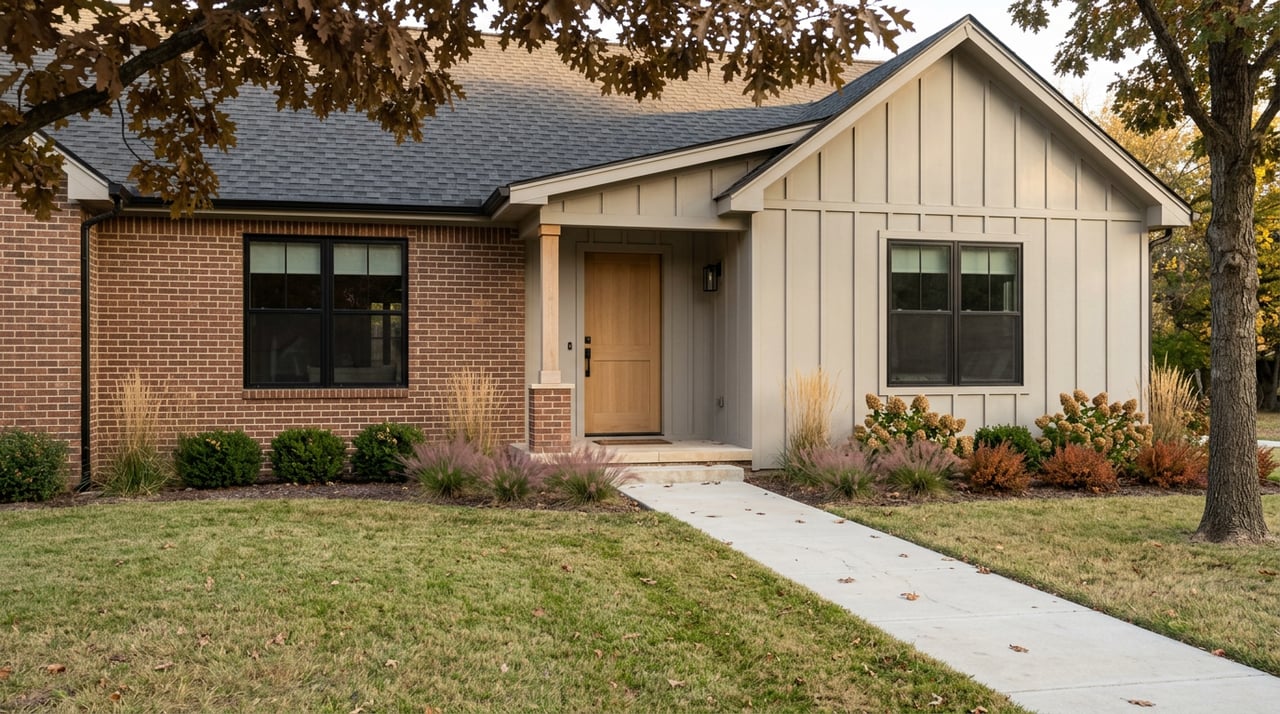
Established homes remain the backbone of Yukon’s housing stock. If you want more variety in lot shape, architecture, or price point, older homes may give you more options.
According to the City of Yukon Comprehensive Plan, the city’s largest housing boom happened between 1960 and 1989, when 5,822 units were built. The same report says 34.7% of housing units were built in the 1970s, 18.4% in the 1980s, and only 3.0% were built in 2014 or later. That helps explain why established homes still make up such a large share of what buyers see in Yukon.
An existing home may be a better fit if you value:
The biggest strength of established homes is variety. You are not limited to a handful of current floor plans or community packages.
The research report gives several good examples of what this can look like in Yukon. One 1983 home had a 12,000-square-foot lot. Other listings from the 1980s included a 6,290-square-foot lot, a 0.33-acre lot, and a 1970 brick home on a 7,405-square-foot lot.
Those examples suggest that established homes can offer more variation in home style, lot dimensions, and neighborhood character than some newer subdivisions. If having a bigger backyard, mature setting, or less uniform housing style matters to you, that can be a meaningful advantage.
A common reason buyers lean toward new construction is warranty coverage. That can be a real advantage, but it is important to know what a builder warranty actually covers.
According to the FTC’s guidance on new-home warranties, many builder warranties are limited. One year is common for many workmanship and materials items, two years may apply to HVAC, plumbing, and electrical systems, and some major structural defects may be covered for up to 10 years. The FTC also notes that some items, such as appliances and small cosmetic cracks, are often excluded.
That is why due diligence still matters with a brand-new home. The Consumer Financial Protection Bureau recommends getting an independent home inspection as soon as possible and making the contract contingent on a satisfactory inspection. The CFPB also advises buyers of not-yet-built homes to ask when a deposit may be refunded and to compare lenders rather than assuming a builder’s preferred lender is automatically the best fit.
There is no one-size-fits-all answer in Yukon. The better choice depends on what you value most in your next home.
In Yukon, broad market headlines only tell part of the story. Sold prices, asking prices, builder inventory, lot sizes, and completion timelines can all point in different directions depending on the property.
That is why a side-by-side comparison is so valuable. Looking at recent sold comps versus list prices, warranty terms, lot dimensions, HOA rules, builder incentives, and likely timelines can give you a much clearer picture of what you are really buying.
If you are deciding between Yukon new construction and an established home, having a local guide can make the process simpler and more strategic. The team at Access Real Estate brings a relationship-first approach backed by strong transaction expertise, so you can compare your options with clarity and confidence.
Stay up to date on the latest real estate trends.
Give us a call when you are ready to make a move. We would be honored to assist with any and all of your Oklahoma Real Estate needs.