What It’s Like To Live In Edmond’s Historic Core
February 5, 2026
February 5, 2026
Curious what day-to-day life feels like in Olde Edmond? If you love historic character, morning coffee walks, and a tight-knit downtown vibe, this neighborhood can be a great fit. You’ll find charming homes, local shops, and lively events within a compact, easy-to-navigate area. In this guide, you’ll learn how the neighborhood is laid out, what the lifestyle offers, what to expect from housing and renovations, and how to decide if it matches your priorities. Let’s dive in.
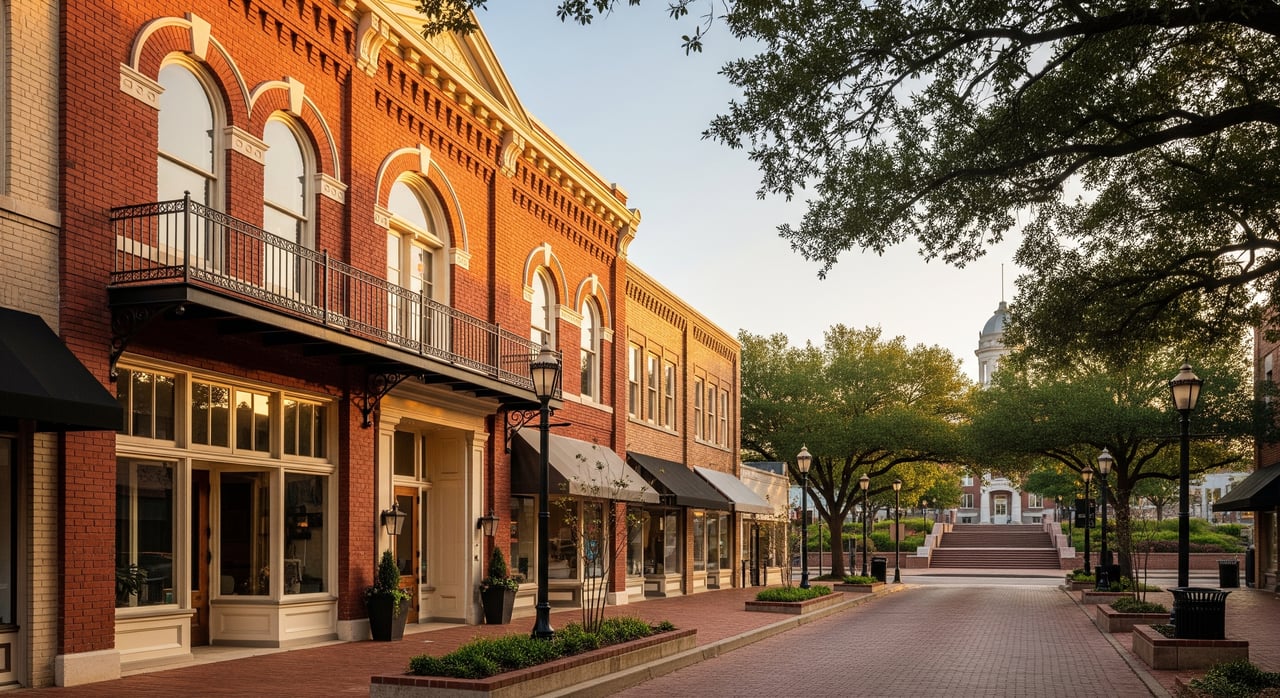
Olde Edmond centers on the Main Street and downtown corridor where local businesses, restaurants, and city offices cluster. The footprint is small and village-like compared with other parts of Edmond. Blocks are shorter, streets are narrower, and you see a mix of preserved storefronts and low-rise infill. The residential streets around downtown are tree-lined and within a short walk of daily needs.
The exact boundary can vary depending on the source. Some references use “Old Town Edmond,” “Downtown Edmond,” or the city’s designated historic district. Many residents think of the area in simple terms: a few blocks around Main Street and the homes that ring it within an easy 10 to 15 minute walk.
You can do a lot on foot in Olde Edmond. Sidewalks and shorter blocks make quick errands easy, especially for coffee, lunch, banking, or personal services. Foot traffic picks up during lunch and on weekends, and during special events you’ll see more street-level activity. For bigger errands like weekly grocery runs or bulk shopping, most residents make a short drive.
Downtown Edmond skews toward locally owned spots. You’ll find neighborhood cafes, bakeries, small boutiques, and professional services like law, real estate, and financial offices. Independent operators give the area a unique feel. Turnover is normal for a downtown district, so expect the mix of storefronts to evolve over time.
Seasonal events, small live performances, and community gatherings are part of the downtown rhythm. Farmers markets, holiday festivals, and weekend pop-ups help define the neighborhood’s identity. These events bring a friendly, small-town energy and make it easy to connect with neighbors.
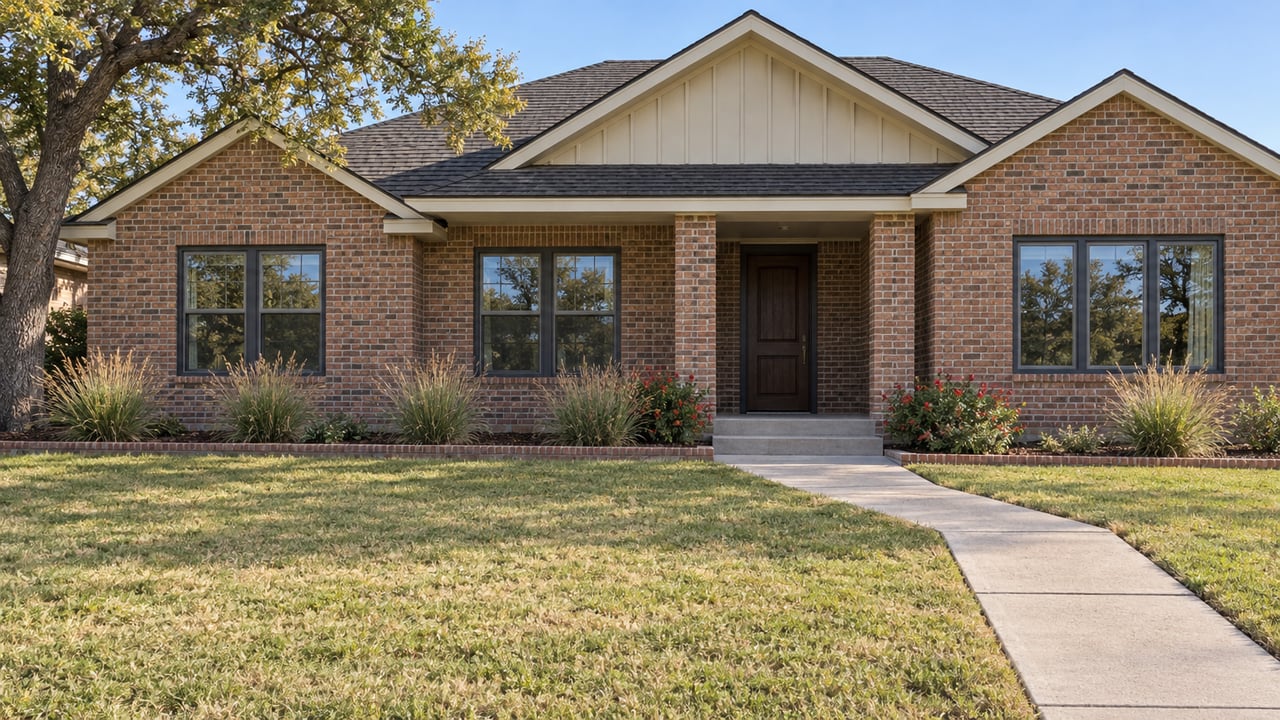
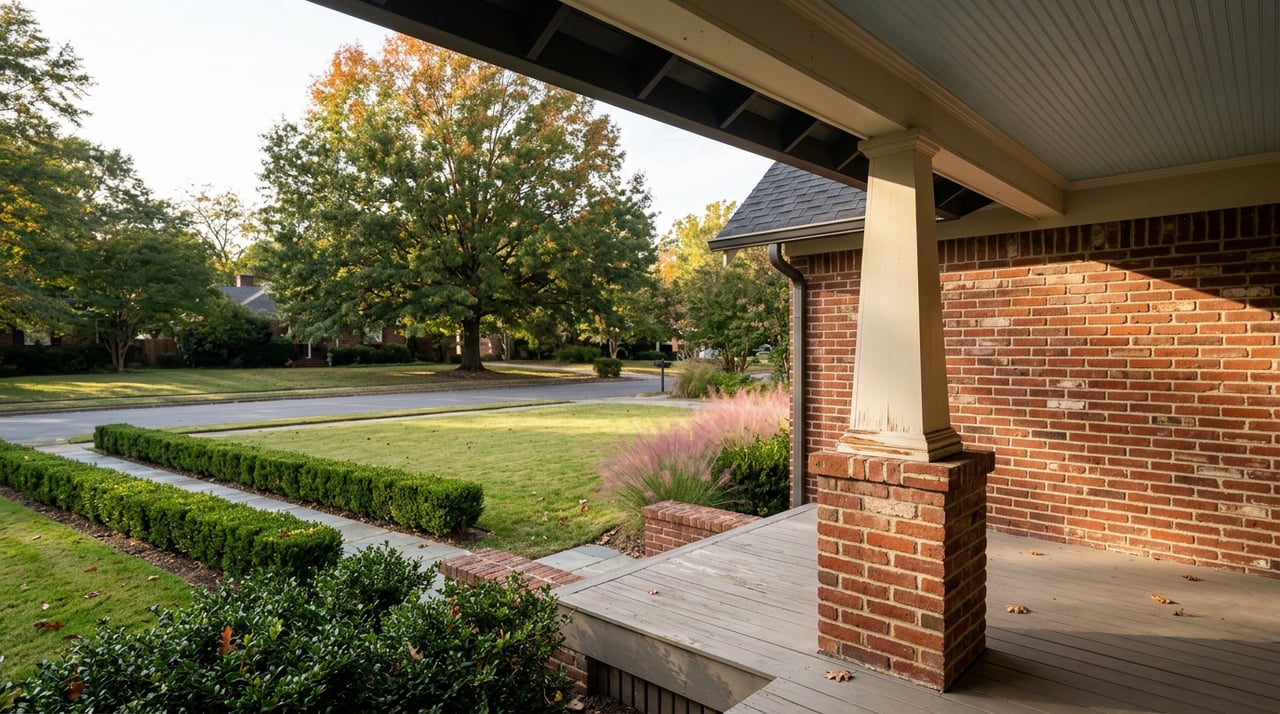
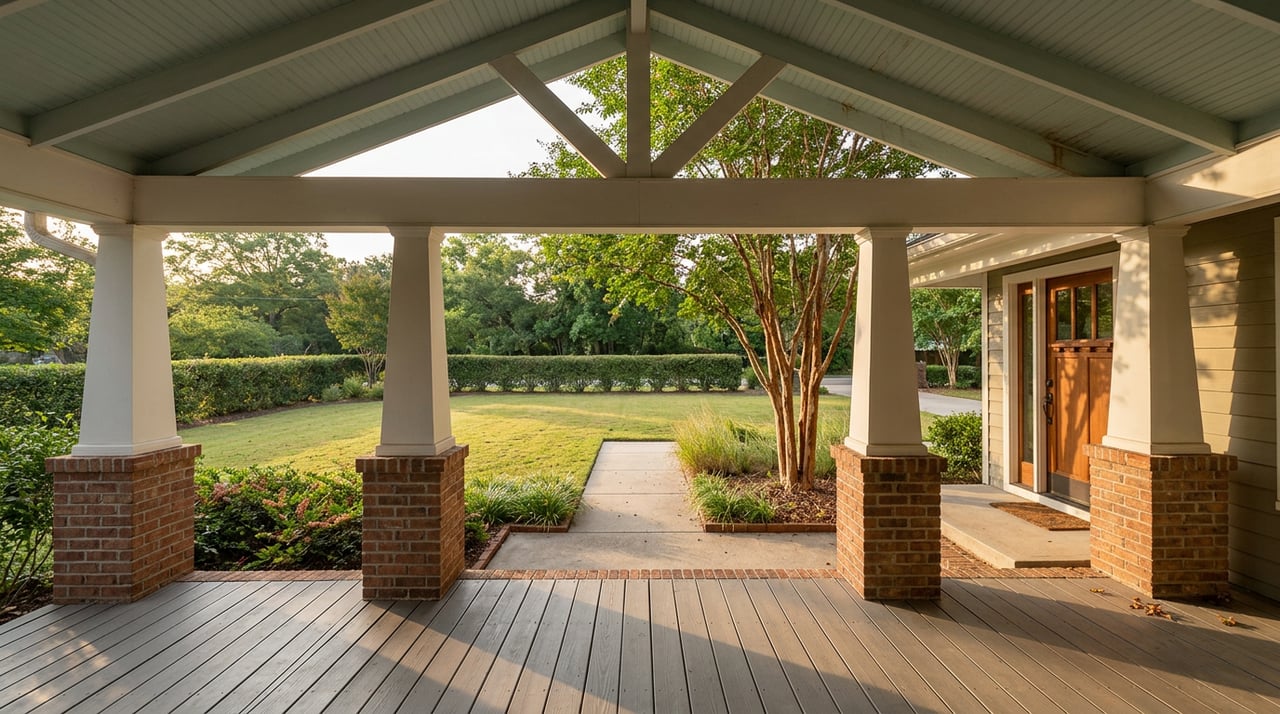
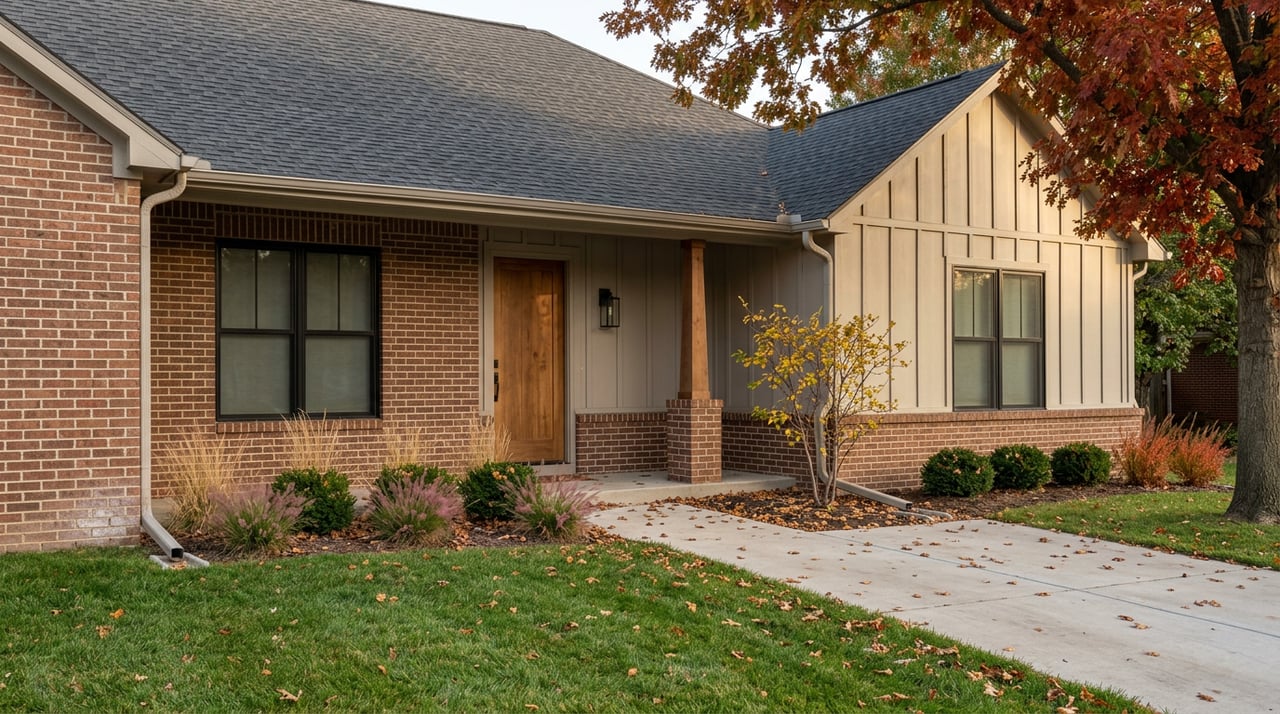
Housing here reflects Edmond’s early growth. You’ll see:
Lots are typically smaller than suburban tracts. Many homes rely on driveways and detached garages, and some properties have limited off-street parking. On-street parking works well day to day but can feel tight during events or peak weekend hours.
Most streets are predominantly owner-occupied, with some single-family rentals or small multifamily conversions mixed in. Inventory is usually tighter than in newer subdivisions, so attractive homes can move quickly.
Historic-core homes often command a higher price per square foot than similar homes farther from downtown. This premium reflects walkability and proximity to local amenities. Your total price depends on size, condition, and lot, but the following features tend to drive value:
Market dynamics change quickly, so it helps to review current local reports or speak with a nearby expert when you are ready to compare neighborhoods.
If you plan to remodel, do a quick check for historic district rules before you start. Some areas near downtown may fall under local historic preservation or design review for exterior changes. Interior updates usually face standard permitting but can carry the cost realities of older construction.
Common projects include updating kitchens and bathrooms, restoring wood floors, refreshing original trim and windows, and modernizing systems like electrical, plumbing, HVAC, roofing, or insulation. Thoughtful renovations that respect a home’s character tend to hold value well in this area.
Edmond sits just north of Oklahoma City with convenient access to major arterials and state highways. Drive times to central OKC vary by route and time of day, but many commuters see a 20 to 40 minute range to downtown. Within Olde Edmond, trips are short and straightforward.
Public transit options are more limited than in large metro areas. Most residents rely on personal vehicles for commuting and errands. The local street grid and short distances make biking and walking good options for nearby trips, though bike-lane coverage varies by block.
Downtown has on-street parking and small municipal lots. During events and lunch rush, spaces can fill up faster than in suburban centers. At home, narrow lots or older site layouts can limit off-street parking, so it is smart to factor driveway and garage setup into your search.
Within the historic core, you’ll find pocket parks, plazas, and municipal green spaces that host casual meetups and community events. Larger city parks and trail systems sit a short drive from downtown. Arcadia Lake, northeast of Edmond, offers additional outdoor options like boating, trails, and picnicking.
Properties in the historic core are served by Edmond Public Schools. Specific school assignments vary by address, so you should confirm zones for a given property. The area has standard municipal services for water, sewer, electricity, and waste collection. Like many older districts, utilities and drainage systems see periodic upgrades. Police, fire, and emergency services are provided by the city.
Olde Edmond shines if you want to be close to daily essentials and community life. It offers historic homes, local dining, and a walkable core in a compact footprint. The trade-offs are real but manageable when you plan ahead.
Good fit if you value character homes, weekend events, and easy walks to coffee and shops.
Good fit if you prefer a smaller yard and a village-like feel over a large suburban lot.
Good fit if you appreciate renovation potential and want to personalize a home with period details.
Think twice if you need a large yard, multiple garage bays, or extensive off-street parking.
Think twice if you rely on robust public transit rather than driving.
Think twice if you want absolute quiet during festivals or peak event times.
Buying or selling in a historic-core neighborhood benefits from local knowledge. You want a team that understands how walkability and character affect value, what renovation choices pay off, and how to navigate potential design reviews. Our boutique, full-service approach pairs neighborhood insight with commercial-grade transaction expertise, so you get clear guidance from search to close.
Here’s how we support you:
Ready to explore homes near Main Street or plan your move from a nearby suburb? Connect with the local team that treats your goals like our own. Work with Access Real Estate to take the next step.
Stay up to date on the latest real estate trends.
Give us a call when you are ready to make a move. We would be honored to assist with any and all of your Oklahoma Real Estate needs.