Leave a Message

Thank you for your message. We will be in touch with you shortly.

Edmond Cost of Living And Housing Guide

December 4, 2025

Thinking about moving to Edmond and want a clear picture of monthly costs? You are not alone. Between mortgage payments, utilities, taxes, and commuting, it helps to see the full budget before you start touring homes. This guide walks you through what to expect in Edmond, how to plan a realistic monthly number, and where to find official local data so you can make confident decisions. Let’s dive in.

Edmond at a glance

Edmond sits just north of Oklahoma City and is known for a wide range of housing, from entry-level homes and townhomes to new-construction subdivisions and higher-priced properties in established neighborhoods. As a suburb within the OKC metro, Edmond generally runs higher than the metro median for purchase prices, with options for many budgets. Market conditions can shift with mortgage rates, so it is smart to verify current pricing, days on market, and inventory with up-to-date MLS data before you set your budget.

If you are comparing Edmond to other nearby communities, keep in mind commute preferences, neighborhood amenities, and ongoing costs like utilities and taxes. The sections below outline all of these items and offer links to official sources so you can confirm details that matter to your household.

Your monthly housing budget

Practical guardrails

  • Buyers: Aim for total housing costs at or below 28 to 35 percent of your gross monthly income. That figure includes mortgage principal and interest, property taxes, and homeowners insurance.
  • Renters: Try to keep monthly rent at or below 30 percent of gross income.
  • Maintenance: Plan for about 1 percent of your home’s value per year for general upkeep. For older homes, consider 1.5 to 3 percent.
  • Emergency fund: Set aside 3 to 6 months of essential expenses or a dedicated repair reserve.
  • Closing costs: Expect roughly 2 to 5 percent of the purchase price. Your lender and title company will provide a detailed estimate.

Buyer cost components

  • Mortgage principal and interest: Based on your purchase price, down payment, interest rate, and loan term. A lender pre-approval will give you a precise payment.
  • Property taxes: Calculated from assessed value and local millage rates. See the Oklahoma County Assessor for current methods and exemptions.
  • Homeowners insurance: Varies by home age, coverage, and risk profile. Newer roofs, updated systems, and location factors can influence premiums.
  • PMI: Applies if your down payment is under 20 percent. It will drop off once you reach the required equity.
  • HOA dues: Only for communities with homeowners associations. Always review covenants, rules, and fees during your option period.
  • Utilities: Electricity, gas, water, sewer, trash, and internet. Edmond has local providers outlined below.
  • Maintenance: Budget a monthly reserve based on your annual target.

Renter cost components

  • Monthly rent
  • Renter’s insurance
  • Utilities and internet
  • Parking or storage, if applicable

Utilities, taxes, and recurring local fees

Electricity

Oklahoma has historically lower residential electricity rates than the national average, which helps many Edmond households manage monthly costs. You can review statewide data through the U.S. Energy Information Administration and confirm local programs with Oklahoma Gas & Electric.

Natural gas

Many homes in Edmond use natural gas for heating, cooking, and hot water. Bills tend to rise in winter and fall in spring and summer. Oklahoma Natural Gas offers billing options and efficiency tips.

Water, sewer, and trash

The City of Edmond manages water, sewer, and trash services. Your monthly bill will reflect a base fee plus usage. Newer subdivisions may have additional fees, such as lift station or meter charges, so review utility details early in your home search.

Broadband and connectivity

Edmond neighborhoods offer a mix of fiber, cable, and DSL options depending on location. Availability and speeds can vary by subdivision. Ask for an ISP coverage map when you evaluate a specific address.

Property taxes

Oklahoma’s effective property tax rates are generally below the national average, but taxes are still a meaningful part of your monthly payment. Your bill is driven by assessed value and local millage rates, which differ by school district and special districts. Before you finalize a contract, verify the estimated tax with the county and confirm any exemptions you may qualify for, such as a homestead exemption.

Sales tax and local fees

Oklahoma levies a state sales tax, and cities and counties add their own amounts to create the total rate at checkout. If you are budgeting for furnishings or renovations, factor the combined sales tax into your estimates. Vehicle registration, permits, and other municipal fees vary.

Commuting and transportation costs

Typical patterns

Edmond residents often commute south to downtown Oklahoma City, to job centers along I-35, or stay local for education, healthcare, and retail. Southbound traffic is busier in the morning and northbound in the evening. Signalized arterials can slow down near school drop-off and pickup times.

Major corridors

  • I-35: Main north-south freeway linking Edmond to OKC.
  • Broadway and the Broadway Extension: Central north-south routes within Edmond and toward the city.
  • Memorial Road and other east-west arterials: Useful for cross-town travel and trips between suburbs.

Transit and alternatives

Public transit options are more limited in Edmond than in central Oklahoma City. Check current service maps and park-and-ride options with EMBARK, and consider carpooling or flexible work hours if your employer allows it.

  • Regional transit info: EMBARK

Estimating commute costs

You can sketch a monthly estimate with a simple formula:

  • Fuel cost: (Round-trip miles × commuting days per month ÷ vehicle MPG) × local gas price
  • Maintenance and depreciation: Add a per-mile estimate, such as 10 to 25 cents per mile, based on your vehicle and budget style
  • Parking and tolls: Add downtown parking or occasional event parking if applicable

Common home types in Edmond

You will find a wide mix of properties as you tour neighborhoods:

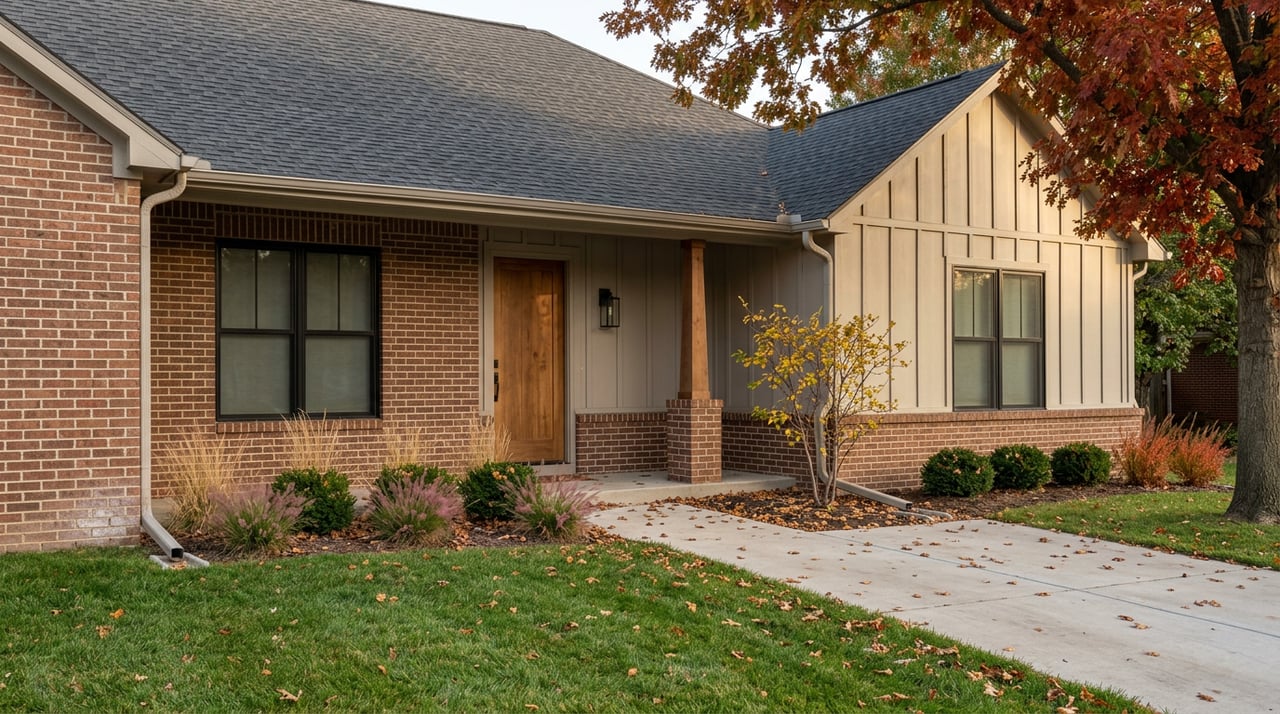
  • Single-family homes: The majority of the market, from mid-century homes to recent builds.
  • New construction subdivisions: Often on the growing edges of Edmond, typically with HOAs and builder incentives.
  • Townhomes and condos: Concentrated closer to central Edmond and near the university area, with smaller maintenance footprints.
  • Established neighborhoods: Central and downtown areas with tree-lined streets and walkable amenities, often with higher per-square-foot pricing.
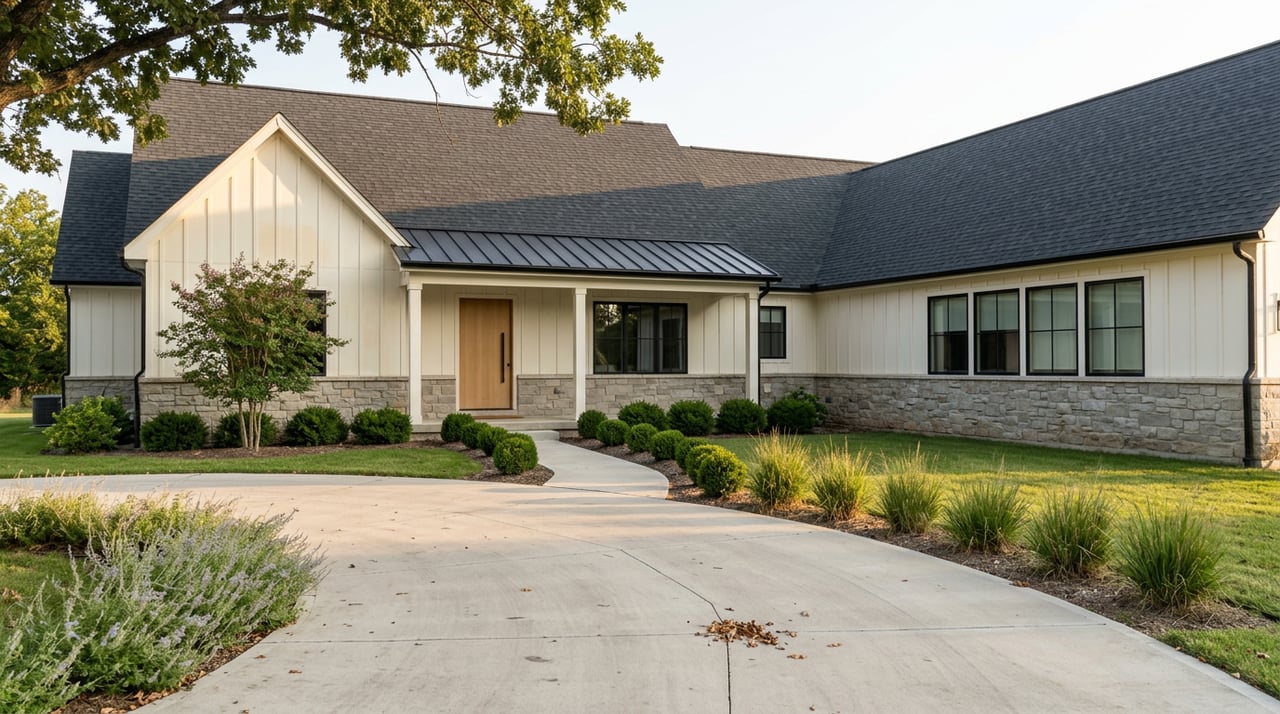
  • Acreage and semi-rural properties: On the outskirts, offering larger lots. Always confirm zoning, utility access, and septic considerations.

When comparing homes, look closely at roof age, HVAC system age, insulation and energy efficiency, and any recent renovations. For properties near creeks or low-lying areas, review federal flood maps during your inspection window and discuss insurance requirements with your lender and insurance provider.

Sample monthly homeowner worksheet

Use this checklist to create your Edmond budget. Plug in your numbers for a quick estimate.

  • Mortgage principal and interest: Based on price, down payment, rate, and term
  • Property tax escrow: Purchase price × estimated effective tax rate ÷ 12
  • Homeowners insurance: Annual premium ÷ 12
  • Private mortgage insurance: If down payment is under 20 percent
  • HOA dues: Monthly fee, if applicable
  • Utilities: Electricity, gas, water, sewer, trash, broadband
  • Maintenance reserve: Purchase price × 1 percent ÷ 12 (or more for older homes)
  • Commuting: Fuel, per-mile maintenance, and parking

Confirm your specific utility costs with providers and verify local tax details with county and state resources. For demographic and commute context, you can explore American Community Survey data through the U.S. Census Bureau.

How Access Real Estate can help

Smart budgeting sets up a smooth search and a confident offer. Our team lives and works in Edmond, and we combine boutique service with deep transaction expertise to help you compare neighborhoods, understand total monthly costs, and negotiate with clarity. Whether you are buying your first home, moving up, or exploring new construction, we will tailor your plan to your goals and your timeline.

If you would like a personalized cost-of-living and housing consult, reach out to Access Real Estate. We will help you validate numbers, align your budget with the right neighborhoods, and make your move with confidence.

FAQs

What are typical utility costs for a home in Edmond?

How do property taxes work for homes in Edmond, Oklahoma?

What should I expect for commuting from Edmond to downtown OKC?

  • Many residents commute along I-35 or the Broadway Extension. Your monthly cost depends on miles driven, gas price, and parking. Use the formula in this guide and review route options with EMBARK if you plan to use regional transit.

Are HOAs common in Edmond and what do they cover?

  • Many newer subdivisions have HOAs that may cover common-area maintenance, pools, or neighborhood amenities. Fees and rules vary by community, so review HOA documents and budgets during your option period before finalizing your purchase.

Do I need flood insurance for a home in Edmond?

  • Lenders may require flood insurance if a property is in a Special Flood Hazard Area. Look up the address at the FEMA Flood Map Service Center and confirm requirements with your lender and insurance provider.

How much should I set aside for home maintenance in Edmond?

  • A common rule is about 1 percent of the home’s value per year, with 1.5 to 3 percent for older homes. Adjust for factors like age, condition, and whether systems or the roof were recently updated.

Work With Us

Give us a call when you are ready to make a move. We would be honored to assist with any and all of your Oklahoma Real Estate needs.